Seasonal HVAC Planning for Homes and Small Workplaces
As a homeowner or small business operator, you benefit from treating the heating and cooling system like a long-term asset rather than a commodity. Assess current performance in mild weather so you have time to compare options calmly. Evaluate comfort zones, energy bills, and any uneven temperatures. A simple walk-through to feel vents, listen for noises, and note thermostat behavior will guide your next decisions without rushing.
Meanwhile, scope the building envelope before touching mechanicals. Air leaks, weak insulation, and solar gain can overwhelm even a well-sized system. Seal obvious gaps around windows and doors, then review attic insulation depth and ductwork joints you can reach. When the structure holds conditioned air better, the system can be sized more precisely, reducing cycling and helping future AC Installation or Furnace Installation choices align with real needs.
However, verify load estimates using established methods rather than rule-of-thumb sizing. Square footage alone misses occupancy, orientation, and internal gains. Ask for a written load calculation that considers windows, shading, and infiltration. Right-sizing is fundamental to steady comfort and noise control, and it sets the stage for lower stress on compressors and burners through the equipment lifecycle.
Beyond that, document existing equipment age, filter sizes, and service history. Keep a simple folder with model numbers, installation dates, and maintenance notes. This record accelerates AC Repair or Furnace Repair diagnostics and clarifies when replacement becomes the practical move. Organized information also helps you compare proposals apples-to-apples, avoiding vague language and misaligned expectations.
In practice, sequence upgrades to minimize downtime. If ducts are leaky or undersized, fix those before new equipment arrives. Then stage the installation during shoulder seasons when demand is lighter and parts availability is steadier. Crews can focus on quality, and you gain time to validate airflow, thermostat placement, and zoning logic without weather extremes pressuring decisions.
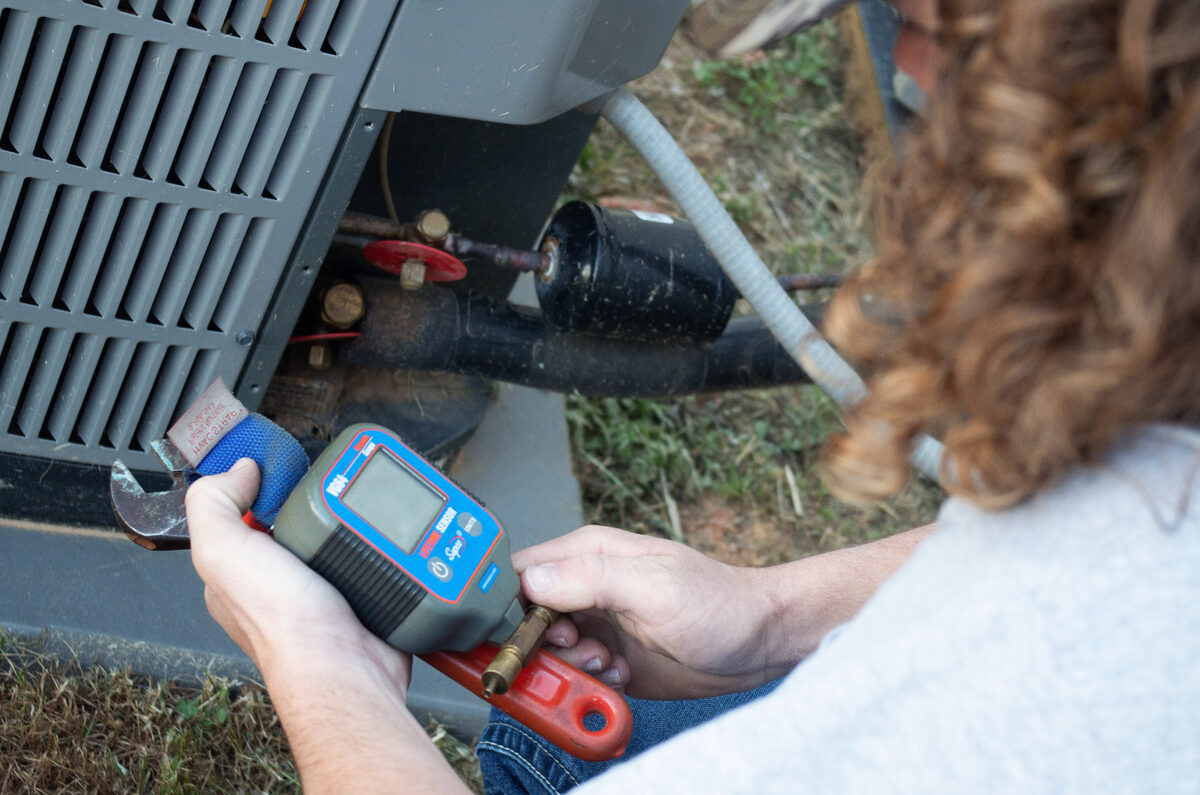
Often, maintenance outperforms guesswork. Schedule HVAC Maintenance on a predictable rhythm to change filters, wash coils, check refrigerant charge, and calibrate safeties. Small adjustments prevent cascading failures, while clean airflow protects blower motors and heat exchangers. Ask for pre- and post-service readings so you can track trends across seasons and catch early drift in static pressure or delta-T.
Then, consider system types through the lens of space use and future plans. Traditional split systems may serve whole-house needs, while a Ductless Mini Split excels in additions, home offices, or zones with tricky duct runs. Heat Pumps now offer efficient heating and cooling across many climates, and hybrid setups can leverage existing furnaces while trimming fuel usage during milder days.
Finally, refine indoor comfort by addressing air quality and controls. Indoor Air Quality improvements like filtration upgrades, humidity management, and source control should pair with smart thermostats that learn schedules. Place sensors away from direct sun and supply vents to avoid false readings. Balanced ventilation strategies can refresh air without sacrificing efficiency, keeping occupants comfortable and focused.
Meanwhile, validate contractor fit through process clarity. Ask how they inspect ducts, measure airflow, and commission new systems. Good proposals specify materials, staging, and disposal of old equipment. Confirm permits and timelines, and buffer your calendar for a follow-up visit after a few weeks to fine-tune fan speeds, verify charge, and adjust setpoints once the system has settled.
Ultimately, maintain perspective by viewing HVAC as a lifecycle investment. Align upgrades with structural improvements, budget for routine care, and phase replacements before failures force emergency choices. With thoughtful planning, you reduce surprises, extend equipment durability, and enjoy steadier comfort across seasons while keeping energy use predictable and repairs manageable.