Choosing and Managing HVAC Pros for Reliable Year-Round Comfort
Homeowners often start by defining scope, because clarity on needs shortens timelines and limits rework. List comfort issues, room-by-room temperature swings, and any noise concerns. Include age of the system, recent repairs, and energy bill patterns. With this, a contractor can align diagnostics, propose right-sized solutions, and estimate staging for access, electrical capacity, and ventilation. A crisp scope sets expectations and helps compare proposals on equal footing.
Meanwhile, assess the mix of services you might need over the next few seasons, not just today. If cooling is shaky but the furnace is aging, a phased plan could balance budgets and avoid duplicated labor. Ask how AC Installation or Furnace Replacement could integrate with later duct improvements or smart controls. Planning multi-step work avoids tearing into finished spaces twice and protects timelines when parts or schedules shift.
Beyond that, verify credentials and safety practices before discussing models or brands. Licensing, insurance, and third-party certifications signal process discipline. Confirm permitting habits, load calculations, and duct design standards, not just equipment tonnage. Reputable teams document measurements, pressure tests, and airflow targets. That diligence reduces callbacks and supports warranty claims. When the crew treats data as the guide, performance and durability usually follow without guesswork.
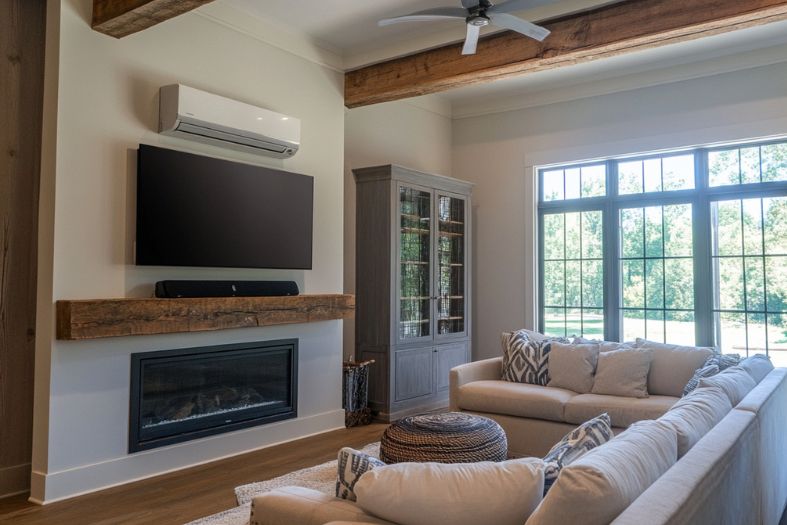
In practice, load calculations and duct evaluations drive the best outcomes. Request a Manual J style heat gain and loss analysis and a duct inspection for leakage or sizing mismatches. The goal is to refine airflow so rooms balance without constant tinkering. Right-sizing can also reveal when Ductless Mini Split Installation fits a tricky zone, sunroom, or attic conversion. Thoughtful design lessens noise, drafts, and hot spots that frustrate day-to-day living.
Often, indoor air quality considerations deserve equal weight. Families with allergies or humidity swings should discuss filtration, ventilation, and moisture control options. Solutions like Air Purifiers Dehumidifiers & Humidifiers must be matched to building envelope realities and local climate. Ask for maintenance implications, filter sizes, and replacement intervals. Clear expectations about upkeep keep systems operating quietly and efficiently while preserving comfort through seasonal change.
However, a solid maintenance plan is what sustains performance after installation day. Schedule AC Maintenance and furnace tune services that include coil cleaning, burner inspection, refrigerant checks, and electrical testing. Clarify response times, after-hours policies, and parts stocking so surprises don’t spiral during peak weather. A predictable service rhythm extends equipment life and minimizes emergency calls that strain budgets and household routines.
Then, examine proposals through a lifecycle lens, not just first cost. Compare efficiency tiers, warranty lengths, and control compatibility. Ask how future AC Replacement or Furnace Installation will interface with existing ductwork or zoning. The right contractor will sequence tasks to buffer risks, like addressing marginal wiring before adding new loads. Decisions anchored in total cost of ownership tend to age well as utility rates and needs evolve.
Next, think through logistics and site readiness. Clear access paths, attic flooring, and condensate routing can shave hours off the job. Discuss staging areas, dust protection, and parking so neighbors aren’t inconvenienced. When installers can phase tasks logically—remove old equipment, prep pads, set line sets, and validate airflow—quality improves. Good site prep is low drama insurance for a clean, on-time handoff.
Similarly, water and drainage systems intersect with comfort more than many realize. If you’re evaluating Water Heater Replacement or Drain Cleaning along with HVAC, align the timeline to reduce disruptions. Shared venting and condensate management benefit from one consolidated plan. A contractor fluent in Plumbing and HVAC can streamline permits and inspections while documenting components for future reference, saving detective work during repairs.
Finally, insist on a thorough closeout. Request model and serial numbers, thermostat programming guidance, filter sizes, and recommended service intervals. Have the tech validate temperature splits, static pressure, and safety controls before leaving. Keep digital copies of invoices and test results. With a clear dossier, you can maintain, troubleshoot, and plan upgrades with confidence, ensuring steady comfort and dependable operation season after season.