November 28, 2026
Earth-Friendly Botanical Wall Art That Lasts For Years
Constant airflow from heating vents, air conditioners, or open windows dries out the moss inconsistently. The facet facing the airflow may lose moisture faster, inflicting that space to become lighter in color or to curve at the edges. Putting the moss faraway from direct drafts helps maintain a fair color and texture.
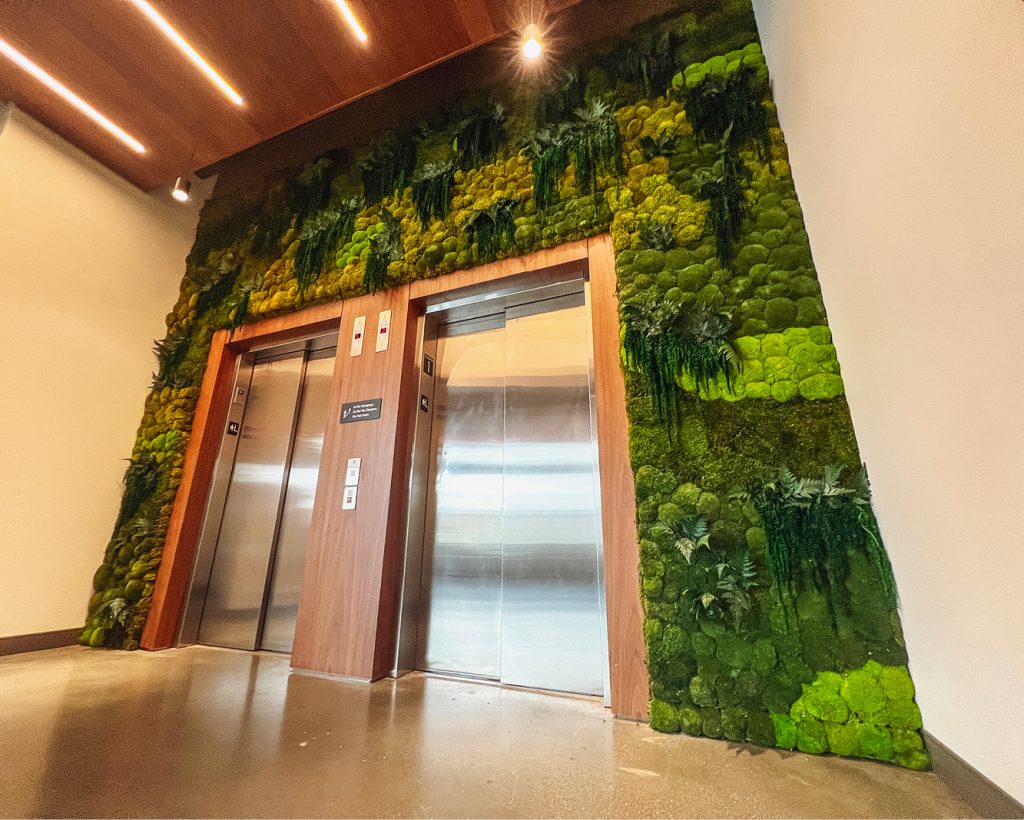
Begin with the gentlest method. Take your soft brush and gently sweep across the moss in one direction, following the natural growth pattern of the piece. Do not scrub back and forth. Think of it as coaxing the mud out rather than brushing it off. Work in tiny sections.Once you have got chosen the frame finish, how you droop the piece also affects its look. The hanging height should typically put the middle of the moss panel at eye level, around fifty seven to sixty inches from the floor. But the frame�s visual weight can shift that variety.Simply bear in mind that the moss itself is preserved, not dyed permanently in every case. Some dyed reindeer mosses will fade over time if exposed to direct sunlight for long periods. So if the space gets a heap of sun, opt for a spot that is not in the direct path of UV rays, or choose a moss that has a additional natural color to minimize noticeable fading.Preserved moss isn't faux moss. Real preserved moss wall art moss is harvested, treated with a non-toxic glycerin-based resolution, and then dyed to take care of its color. The preservation method stops the moss from needing light-weight, water, or soil. It stays soft, springy, and looks alive for years with minimal care. The result is a piece of wall art that brings the outdoors within while not the mess or maintenance of a living plant. Moss art will be framed during a shallow box, mounted on a board, or arranged in custom shapes. Some designs incorporate other preserved components like lichen, ferns, or bark for added texture. The effect is subtle, natural, and calming.PLANNING THE FINAL MOUNTINGMATCHING MOSS TO MODERN AND MINIMALIST INTERIORSSocial Links