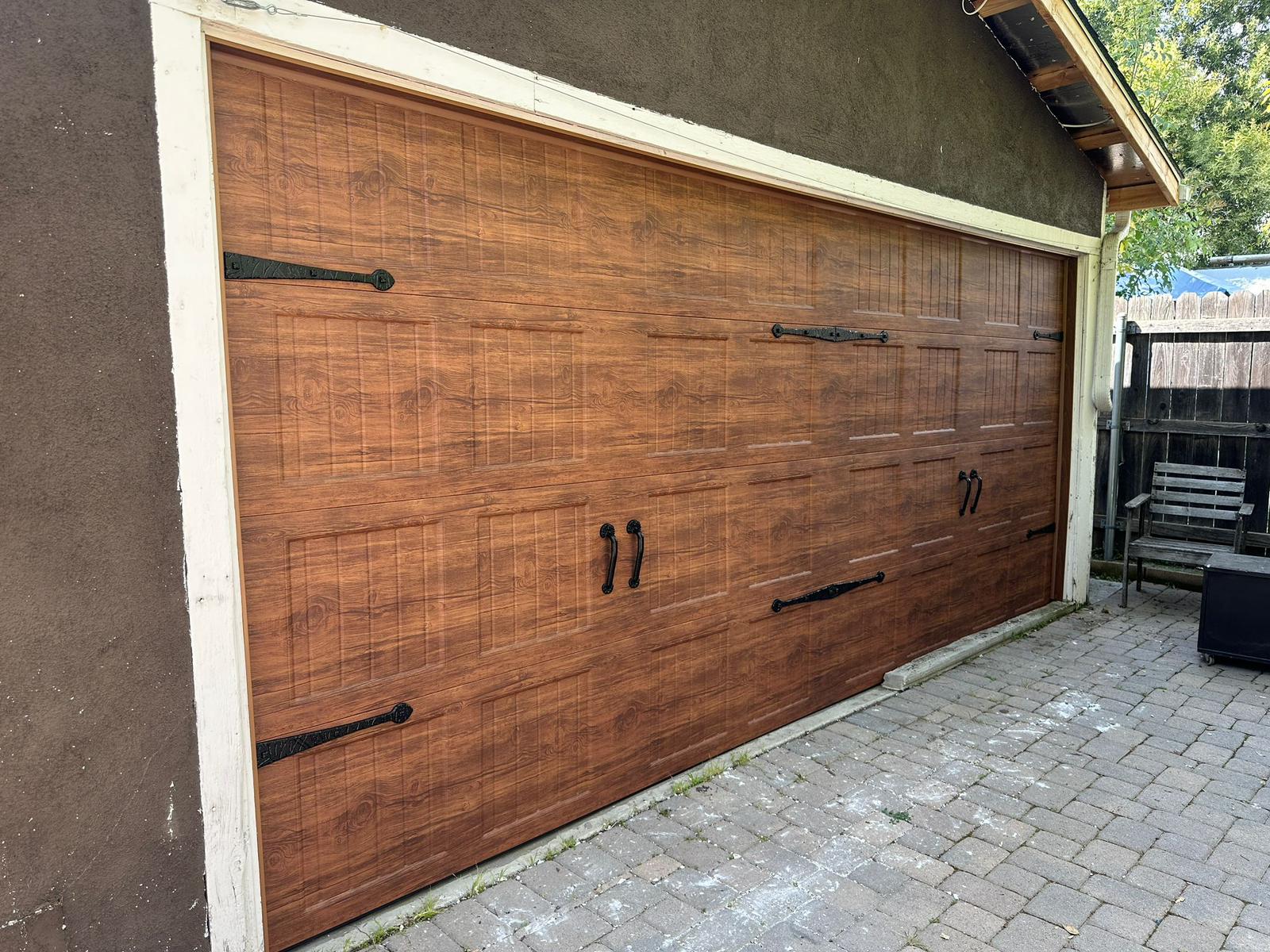
Monacco Garage Door Services Explains Remote Battery and Signal Issues
Every week I arrive at homes in Belmont and see the same two problems again and again: a garage door remote that performs like it has a mind of its own, or not at all, and a homeowner convinced the opener is dead. Nine times out of ten the fix is simple, and the tenth time it is a reason to upgrade or call professional help. I have replaced batteries in remotes that still had a bright LED, reprogrammed units that lost their memory after a storm, and diagnosed noise from an opener that masked a weak signal. Experience teaches a few blunt truths: most remotes fail for predictable reasons, symptoms hint clearly at the cause if you know where to look, and quick interventions save money and frustration.
This article breaks down the common failure modes, explains how to diagnose signal and battery issues without guessing, and describes when a do-it-yourself approach is sensible and when you should contact a local specialist such as Monacco Garage Door Services or another Garage Door Company Belmont MA.
Why remotes quit working
Remotes are tiny systems with three essential parts that must cooperate: power, transmitter electronics, and antenna or coupling to the opener's receiver. If any of those falter, the result is intermittent operation, reduced range, or total failure.
Power problems are the most common. Homeowners assume the little battery icon on a remote is a reliable indicator, but many remotes keep their LED lit with a low battery that cannot sustain the radio transmitter. Alkaline cells lose voltage under load; a weak battery can make a remote seem to work only when it's close to the door. Rechargeable cells behave differently and require specific attention to nominal voltage. Coin-cell battery types also complicate things because a poor contact or thin corrosion on the metal clip can drop the voltage far below what the transmitter needs.
Electronics fail less often, but heat, humidity, and vibration from everyday use take a toll. Folding key fobs get stress fractures in the board or cracked solder joints. Water intrusion, usually from careless storage or leaving the remote in a damp glove box, creates corrosion that creeps along traces. After a heavy storm, several calls come in where lightning or a power surge caused the opener to stop accepting remote commands; the remote is blamed, but the receiver module inside the opener has been damaged.
Signal problems are distinct from battery and electronics problems. Modern remotes use fixed-frequency or rolling-code transmitters in the low hundreds of megahertz range. Obstructions between remote and receiver, metal interference from aluminum garage doors, and other local radio sources can reduce range. Placement of the opener's antenna matters a lot. https://monaccogaragedoorservice.com/ If the antenna wire is tucked up under the trolley, wrapped inside wiring, or pinned behind the motor housing, the receiver's sensitivity drops noticeably. Nearby devices that emit radio frequency can also cause interference; certain LED light fixtures and cheap wireless chargers are surprisingly noisy.
Diagnosing the problem: a pragmatic approach
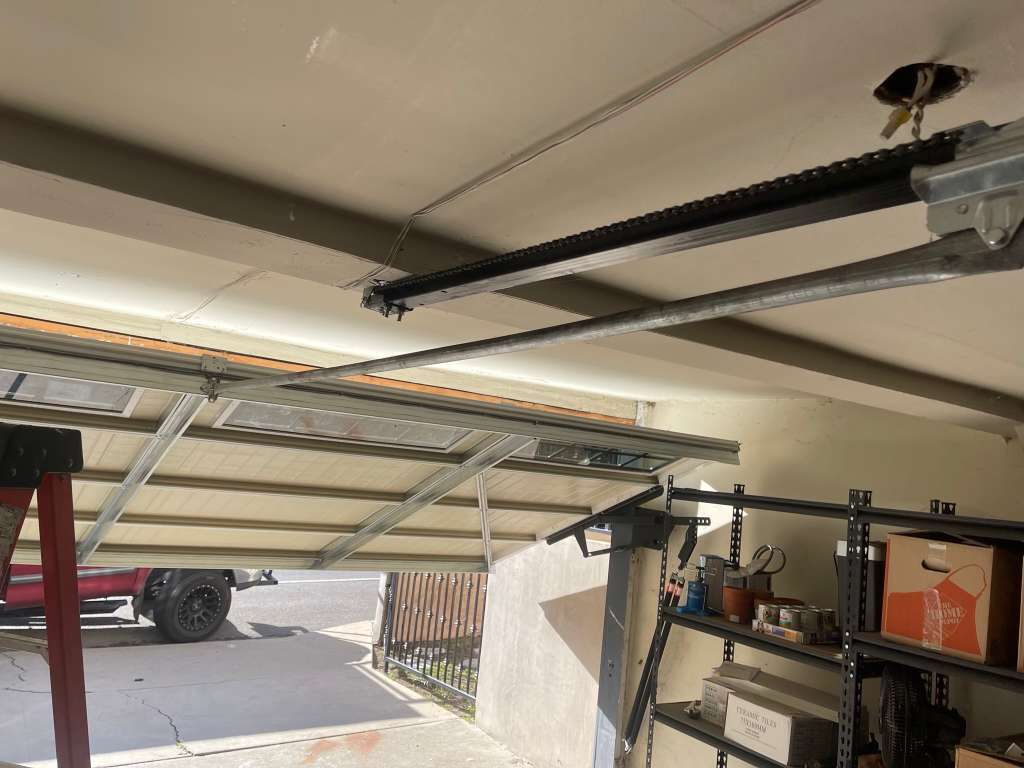
An experienced technician starts diagnosis with observation and simple tests. You can do much of the same safely. Begin outside the assumptions. Does the remote still operate the onboard wall button or the keypad? Does the keypad work? Is the opener responsive to the wall switch? If the opener responds normally to wired controls but not to the remote, you narrow the issue to the remote or the receiver.
Next, check the battery. Remove it and test with a multimeter if you have one. Many remotes use 3 volt coin cells, either CR2032 or CR2025. For an alkaline AAA or AA, measure the voltage; anything below roughly 1.2 volts under light load often causes flaky behavior. If you do not have a meter, swap the battery with a fresh one from a known source. Cheap batteries in discount bins sometimes are old stock and will have diminished capacity. Fresh name-brand batteries usually reveal whether power was the culprit within seconds.
If batteries are fine, try reprogramming the remote. Consult the opener manual for "learn" or "program" steps. The process typically involves pressing a learn button on the opener and then sending a signal from the remote. Reprogramming clears many software-level communication issues and resets rolling-code pairings that may have drifted after a power interruption. Keep in mind this can unpair other remotes and keypads, so you might need to reprogram all devices afterward.
Observe the LED behavior while pressing the button. A bright flash that does not open the door suggests the remote sent a signal but the receiver did not react. No LED at all indicates either the battery is dead or the button/switch contact is worn. A faint or partial LED suggests low voltage under load even if the battery reads okay at rest.
When to suspect receiver or wiring issues
If fresh batteries and reprogramming do not restore function, move on to the opener itself. Inspect the receiver antenna wire. It should be straight and hanging down from the motor unit, not coiled, taped down, or stuffed behind metal. Corroded or frayed antenna wire reduces range significantly. On many models the antenna is simply a thin insulated copper conductor terminated with a ring connector. If a nut has vibrated loose and it is not making good contact at the terminal, the receiver may rarely work and then stop.
Power surges and lightning strikes can damage the control board or the radio receiver module. If multiple remotes fail at once, and the wired wall control still works, that often points to the receiver section being toast. In that case you will see an LED on the opener control board that is out of the expected pattern, or the manual will note a specific status code. Some homeowners attempt to replace the receiver board themselves, but modern openers integrate these parts in ways that make field replacement tricky. Wrong substitutions can compromise safety features like auto-reverse.
Environmental and usage factors that shorten life
Two small details make a disproportionate difference to longevity. First, storage and exposure. People keep remotes in kitchen drawers, cars, or on key rings in all kinds of climates. The extreme temperatures inside a car can drop battery capacity in winter and cause leakage in summer. Moisture from a bathroom or basement can corrode contacts. Second, wear from physical abuse. Constant jostling in a pocket or sitting on the remote in a back pocket eventually flexes the circuit board and cracks solder joints.
A less obvious factor is the garage itself. Steel doors and heavy insulation can attenuate the radio signal. If someone retrofitted a third-party insulation or installed new steel panels, the range may suddenly shrink compared with when the door was thinner. New electric devices in the house, such as LED lighting, wireless cameras, or even a new Wi-Fi access point positioned close to the opener, can introduce interference that wasn't present before.
Practical troubleshooting checklist
- verify the remote battery: replace with a fresh, name-brand cell and observe LED and function
- reprogram the remote to the opener using the manufacturer's learn procedure
- inspect the opener antenna and connections for loose terminals, kinks, or corrosion
- test the system with a spare remote or the wall control to isolate remote versus receiver failure
- note recent changes to the garage or home electronics that might introduce interference
What repairs cost and when replacement is smarter
A battery change and simple reprogramming cost almost nothing if you do it yourself. Even if you call a Garage Door Company Belmont MA like Monacco Garage Door Services, a tech's trip fee plus a battery and 15 minutes of labor is low compared with other garage repairs. Replacing a remote fob typically runs a bit more, especially if it is a manufacturer-specific rolling-code device. Expect to pay for a quality programmed remote somewhere in the range of around $50 to $150 depending on brand and features.
Replacing a receiver module or the opener's main control board is where costs climb. A replacement receiver board for an older model may be inexpensive, but labor can add up because the technician must remove covers, test wiring, and verify safety sensors afterward. A full opener replacement may be the most cost-effective option for units older than 15 years that show multiple failing systems. Newer openers have quieter motors, better built-in receivers, and smart features that integrate with car systems and home automation, which matters if you plan to keep your garage for the next decade.
Choose repairs with an eye toward resale and safety. Replacing a cracked key fob when you plan to sell the house seems petty, but smooth, reliable operation of doors is a real selling point for buyers. Likewise, a receiver showing signs of electrical damage may have compromised safety circuits, and replacing it now prevents the risk of a door that fails to reverse when obstructed.
When to call a pro rather than keep trying
If replacing the battery and reprogramming does not restore function, and especially if multiple remotes or the keypad also fail, call a qualified Garage Door Company Belmont MA. If there is visible water damage, burn marks, or melted wiring around the opener, unplug the unit and schedule a service call. When the opener behaves erratically, for instance opening only partway or reversing unpredictably in response to remote commands, that signals a control board or sensor fault that requires professional diagnostics.
There are also legal and safety reasons to prefer a pro. Adjusting force settings, tuning auto-reverse, or changing torsion spring tension are high-risk tasks when done by someone without training. A reputable provider such as Monacco Garage Door Services follows local code, tests the system under load, and provides written documentation of work performed. That matters if you later need proof of maintenance for an insurance claim.
Wireless features and smartphone integration: a new source of problems
Smartphone-based garage controls and aftermarket Wi-Fi modules solve many convenience issues, but they add complexity. These systems rely on a stable Wi-Fi network and an intermediary module that translates internet commands to the opener's radio or wired inputs. Symptoms of failure change. You may find the wall button works but the smartphone app does not, or the app can send a command that the opener never receives. In many cases troubleshooting requires checking the module's firmware, verifying the network configuration, and ensuring the module is wired correctly to the control board, not just powered.
An unforeseen trade-off is latency and dependency. A remote uses a dedicated radio channel and acts almost instantly. Smartphone control depends on a cloud service and internet latency. If your home network is unstable, the remote remains the reliable fallback. I advise clients to keep at least one traditional remote and a keypad as a backup even after installing smart features.
Common myths and mistakes I see
Many homeowners assume that a weak LED means the remote is dead, but an LED can remain bright while the transmitter is weak under load. Others believe that replacing the opener will fix every remote problem, which ignores the role of the antenna and wiring. A frequent mistake is storing remotes near metallic surfaces or inside thick cases that block the signal. Another is using rechargeable cells that are not designed for the remote's drain profile, resulting in lower effective range.
I also see a lot of impulse purchases of cheap universal remotes from online marketplaces. They sometimes work, but they often require fiddly reprogramming and can fail intermittently. When reliability matters, a properly matched remote from a reputable source, installed and programmed by a pro, pays off.
What Monacco Garage Door Services and a Garage Door Company Belmont MA bring to the table
A local Garage Door Company Belmont MA understands the quirks of area homes and typical installation practices. Monacco Garage Door Services offers more than changing batteries. Skilled technicians bring diagnostic meters, spare remotes, and manufacturer-specific knowledge that shortens the troubleshooting process. They can spot secondary issues, such as a worn antenna terminal or a corroded keypad connector, that a homeowner might miss. Preventive advice is part of the value: guidance on where to store remotes, recommended battery types, and simple maintenance to avoid repeat visits.
If the decision is to upgrade the opener, a professional company can recommend models that solve your specific pain points. Quiet belt-drive openers for attached garages reduce vibrations that stress electronics. Built-in Wi-Fi models eliminate clumsy add-on modules. A tech can also show you how to place the antenna and route the keypad wiring for maximum reception.
Final words on staying ahead of failures
Treat remotes like smoke-detector batteries. Make battery replacement a twice-yearly habit, ideally when daylight saving time changes. Keep at least one spare remote and a simple keypad battery on hand. If you experience a sudden failure after a storm, suspect receiver damage before assuming the remote is the only issue. Prioritize safety and consult a qualified Garage Door Company Belmont MA when the problem extends beyond a simple battery swap.
If you want help diagnosing a flaky opener or prefer a local team that can bring parts and expertise, contact Monacco Garage Door Services. A short service call can uncover hidden wiring issues, restore reliable remote operation, and save the hassle of repeated troubleshooting. Reliable garage access is not a luxury, it is part of a well-run home, and small preventive steps keep it that way.
Monacco Garage Door Services
687 Belmont St Unit A, Belmont, MA 02478
+1 (617) 927-9512
monaccogarageservices@gmail.com
Website: https://monaccogaragedoorservice.com/