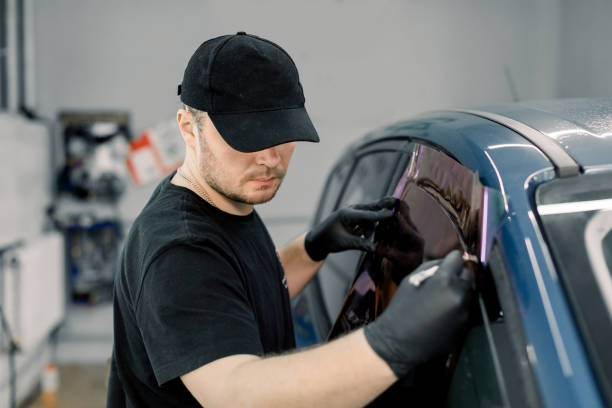
Decisions That Shape a Better Drive: A Practical Owner’s Guide to Window Tinting
Starting with a clear plan helps you scope the right window tinting path before any film touches glass. Define goals like cabin comfort, glare control, and privacy, then align them with your budget and daily driving patterns. Assess climate, parking conditions, and commute length to estimate the value of heat rejection versus simple shading. Map these needs to film families, and request sample swatches to validate visibility from inside and out.
Beyond that, materials matter as much as technique. Dyed films moderate glare at entry price points, while carbon and ceramic constructions add stronger heat control and robust color stability. Metalized options can reflect heat but may interfere with signals in certain vehicles. Verify a film’s optical clarity, true shade versus on-glass appearance, and warranty terms. Ask how edge finishing, dot-matrix handling, and rear deck obstacles are managed to avoid rework later.
Meanwhile, compliance should anchor all tint choices to avoid costly removal. Local regulations typically define light transmission allowances for windshields and front windows, with more flexibility at the rear. Document the film’s rated VLT and confirm how it tests on your specific glass, which can already have a baseline tint from the factory. Maintain copies of receipts and film specs in your glove box for any inspection questions.
In practice, scheduling and staging influence results more than many expect. A clean, temperature-controlled bay reduces airborne dust and speeds adhesion. Inspect the vehicle beforehand for chips, weatherstrip wear, or aftermarket stickers that could trap contamination. Then agree on sequencing: many installers start with the rear glass to calibrate fit on complex curves, followed by side windows and last the small quarter panes.
However, quality control is not a single step; it’s a workflow. Technicians should refine glass preparation, using fresh blades and lint-free towels to strip residue. Edges must be trimmed evenly with consistent gaps from the seals to prevent lift. Validate film laydown under multiple lighting angles, catching micro-contaminants early. Finally, request photos of each pane before and after to document condition and craftsmanship.
Often, owner handoff and aftercare define long-term satisfaction. Cure time varies with weather; avoid rolling windows down until the adhesive sets. Expect minor haze that dissipates as moisture evaporates. Clean with soft microfiber and ammonia-free solutions, and avoid sharp tools near edges. Inspect periodically for lift points, especially at corners, and report issues within the warranty window for timely touch-ups.
Then consider integration with other protective services to extend lifecycle value. Clear paint protection film on high-impact panels can buffer against chips while tint manages heat and UV inside. Ceramic coating adds cleanability and gloss, simplifying upkeep for both glass and painted surfaces. Sequence these services thoughtfully so installers can mask, tape, and cure each layer without overlap that complicates removal or service later.
Finally, budgeting should balance up-front spend with durability. Cheaper films can fade or purple over time, prompting replacements that erase savings. Premium ceramics command more initially but often deliver stable color, strong heat rejection, and resilient warranties. Ask for a line-item proposal listing film tier, shade, coverage, and prep steps, and compare apples to apples across providers to validate total value.
Similarly, vendor fit is as critical as film selection. Review recent installations on vehicles like yours, and request a walk-through of their installation sequence. Observe how they handle dots, defroster lines, and edge tolerances. A transparent shop will detail their cleaning regimen, blade policies, and waste recycling, and will explain where Automotive Window Tint complements or differs from sunshades or privacy glass already in the vehicle.
Ultimately, a thoughtful plan reduces risk and improves results. Calibrate expectations around legal limits, appearance in different lighting, and the realities of curing time. Sequence services to protect both glass and paint, and verify each stage with photos and receipts. With methodical scoping, careful material selection, and disciplined aftercare, your tint investment can deliver comfort, clarity, and confidence for the long haul.