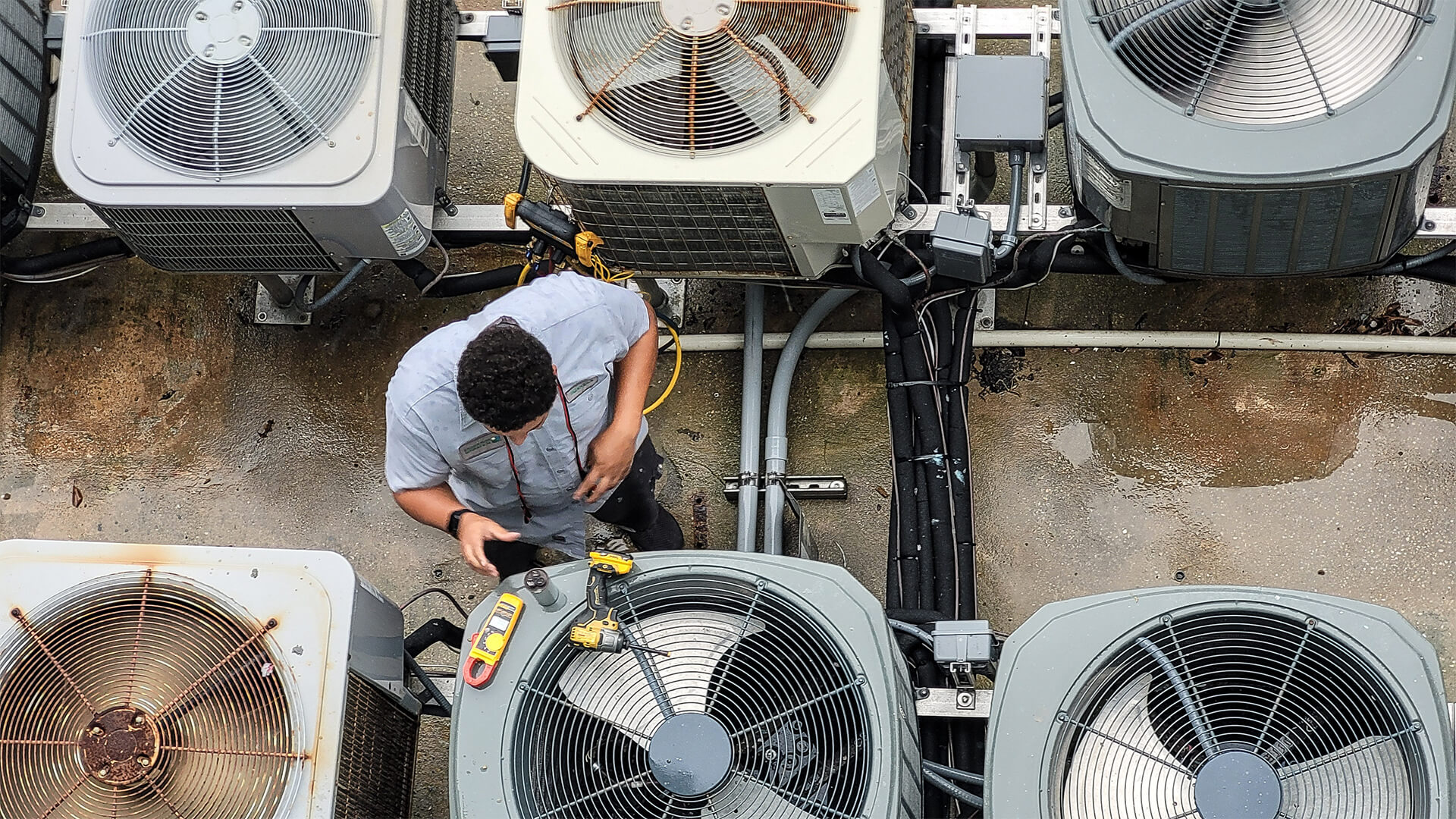
Smart Steps to Navigating AC Repair Decisions for Homes and Businesses
First, assess the situation with an eye for symptoms and timing. Warm air from vents, short cycling, or unusual noises suggest different fault paths, from airflow restrictions to electrical issues. Document what you notice, including when problems occur and any recent filter changes or thermostat adjustments. This record helps a technician isolate causes faster and can prevent unnecessary parts swaps that add cost and extend downtime during peak heat.
Meanwhile, verify the basics before calling for help. Replace or clean filters, confirm breakers are on, and validate thermostat settings. Inspect registers and returns for blockages from furniture or dust. Simple checks may restore performance, yet if issues persist, move to professional diagnostics. This stepwise approach preserves equipment health and clarifies whether you’re headed toward AC Repair or a broader service conversation.
Beyond that, scope the system holistically instead of chasing a single symptom. Age, refrigerant type, duct condition, and ventilation strategy all influence the fix. A compressor failure inside an aging unit, for example, can trigger a discussion about AC Replacement versus repair viability. Ask for a written fault description, parts list, and labor outline so you can compare against long-term operating costs and energy expectations.
In practice, request testing that distinguishes cause from effect. Technicians should measure superheat, subcooling, static pressure, and temperature differentials to validate airflow and refrigerant charge. Poor readings often trace back to duct leaks or clogged coils. When airflow is wrong, even a perfect charge can’t deliver comfort. This is where Air Duct Cleaning or coil service may restore efficiency and reduce strain on motors and compressors.
Often, maintenance planning protects against repeat outages. Seasonal AC Maintenance catches loose electrical connections, worn capacitors, algae in condensate lines, and early motor wear. Pair that with HVAC Maintenance for the heating side to keep blower assemblies, safety sensors, and heat exchangers in reliable condition. A shared maintenance rhythm reduces surprise failures, especially during seasonal transitions when systems run irregular duty cycles.
However, budgeting requires clarity on lifecycle and risk. Weigh current repair cost against remaining service life, potential refrigerant constraints, and energy consumption. If a unit is near end-of-life or using outdated refrigerants, a one-time fix might snowball into multiple visits. Planning for HVAC Replacement in those cases can stabilize expenses and align with comfort targets, while preserving indoor air quality and noise expectations.
Then, align expectations on response, parts availability, and staging. Some components are common and quick to source; others require lead time. Ask whether temporary measures can keep minimal cooling while awaiting parts, and confirm what’s covered under any warranties. Clear communication about arrival windows and site access reduces delays, which is especially important for commercial settings with tenant schedules or restricted loading areas.
Additionally, sequence the work to minimize disruption. For homes, isolate work zones, protect flooring, and maintain safe pathways. For businesses, consider after-hours service and phased shutdowns. Technicians should isolate power, lock out as needed, and document readings before and after repairs. Thorough documentation creates a baseline for future troubleshooting and helps validate that performance targets were actually achieved.
Finally, refine the handoff after the job. Review replaced parts, before-and-after metrics, maintenance intervals, and any usage tips that affect humidity or temperature swings. Validate that thermostats are calibrated, vents are balanced, and condensate drainage is clear. Schedule follow-up checks during the next season start, and keep a log of filter changes and service notes to maintain steady reliability and predictable energy behavior.
Ultimately, a balanced approach blends rapid triage with long-term planning. When issues emerge, move from basic homeowner checks to professional HVAC Repair with measured testing, and decide between incremental fixes and system updates based on risk and lifecycle. This mindset supports comfort, protects equipment, and ensures you’re choosing repairs and replacements that align with budget, building needs, and future operating goals.