
Paver Driveway Material Comparisons and Installation Tips for Homeowners
A driveway takes more abuse than almost any other finished surface around a home. It deals with vehicle weight, turning tires, rain, snow, deicing salts, oil drips, UV exposure, and the occasional delivery truck that really should have stayed in the street. That is why paver driveway material comparisons matter so much before you commit to a design you will live with for decades.
I have seen homeowners fall in love with a color or pattern, only to realize later that the product was better suited for a patio than a parking area. I have also seen plain looking driveways outperform more expensive installations simply because the base was built correctly and the pavers were genuinely vehicle rated driveway pavers, not just attractive hardscape units borrowed from a walkway line.
If you are weighing concrete driveway pavers, brick driveway paving, or natural stone driveway pavers, the right answer usually comes down to three things working together: structural performance, appearance over time, and the real cost of installation and upkeep. Price matters, of course, but the cheapest quote often hides the most expensive mistakes.
What separates driveway pavers from patio pavers
This is the first distinction that gets overlooked. A paver that looks thick enough to the eye is not automatically suitable for a driveway. Driveway paver thickness, paver compressive strength, and the way the units lock together all affect long term performance.
For most residential projects, interlocking concrete paving stones are the workhorse option because they are engineered for load distribution. When a wheel rolls over the surface, the load spreads across many units instead of bearing down on a single slab. That is a big part of driveway paver durability. If the bedding and base underneath paver driveway design ideas are done right, the system flexes slightly without cracking the way a monolithic concrete slab can.
Brick driveway paving can also perform well, but only when true clay pavers rated for vehicular traffic are used. Standard building brick is a different animal and should not be dropped into a driveway spec. Natural stone driveway pavers vary the most. Dense granite or basalt may hold up beautifully, while softer stones or irregular pieces can chip, settle, or become troublesome under repeated vehicle loads.
Heavy duty driveway pavers generally start with proper thickness. In many regions, residential driveway pavers are commonly 60 mm to 80 mm thick, with 80 mm often preferred for heavier use, steep grades, or areas where trucks may occasionally drive. The exact requirement depends on local standards, traffic load, soil conditions, and the base design. If a contractor shrugs off thickness questions, that is not a great sign.
Comparing the main material choices
Each material has a personality. Some wear in beautifully. Some hide stains better. Some cost more upfront but pay you back in repairs avoided.
Concrete driveway pavers
Concrete driveway pavers are popular because they balance performance, availability, and design flexibility. They come in a huge range of driveway paver color options, sizes, and driveway paver surface finishes. You can get textured driveway pavers that mimic stone, sleek contemporary units, or slip resistant driveway pavers with a more practical broomed or exposed finish.
The best concrete pavers for driveways are dense, consistently manufactured, and intended for vehicular loads. Ask about paver compressive strength and whether the product is marketed specifically as vehicle rated driveway pavers. Good manufacturers provide technical data, and reputable installers know how to match product lines to traffic demands.
One practical advantage of concrete is replaceability. If one area gets stained or damaged, individual units can often be lifted and swapped out without leaving a large patch scar. That is one reason paver driveway long term value is often stronger than homeowners expect.
That said, not all concrete pavers age the same way. Lower quality units may fade unevenly, develop surface wear faster, or show edge chipping in tight turning areas. Color blended pavers usually disguise wear better than uniform solid tones. Lighter colors stay cooler in summer but may reveal tire marks or rust more easily.
Brick driveway paving
Brick driveway paving has a timeless look that works especially well with traditional homes, older neighborhoods, and properties with warm masonry tones. Real clay pavers tend to keep their color better than many dyed concrete products because the color is part of the fired material rather than mostly a surface treatment.
Brick also wears attractively. It can soften visually over time instead of looking tired. That is a big reason some homeowners are willing to pay a higher brick driveway paving cost.
The trade off is that brick selections suitable for driveways are narrower than what people assume. Some brick pavers perform very well. Others are too porous or not strong enough for vehicular use. Brick can also be a bit less forgiving visually if the installation wanders. Straight lines and consistent joint spacing matter with brick more than with more variegated concrete products.
Natural stone driveway pavers
Natural stone driveway pavers can be stunning, especially on custom homes where the driveway is part of a larger landscape design. Granite, porphyry, and some dense sandstone products are often chosen for durability and texture. Stone gives you a richness and variation that manufactured materials rarely duplicate.
The caution here is consistency. Stone varies in thickness, density, finish, and absorption. Some products are sawn and calibrated, which helps installation. Others are more rustic and can be difficult to lay perfectly for vehicle traffic. Large format driveway pavers in natural stone look dramatic, but they need careful engineering and handling if they are going to carry cars reliably.
Natural stone is often the premium end of premium driveway pavers cost, both in material and labor. The finished result can be exceptional, but only when the stone choice matches the climate and use conditions.
Permeable concrete pavers
Permeable concrete pavers solve a different problem. They are designed to let water infiltrate through wider joints or openings into a specially prepared base. In the right setting, permeable concrete pavers can help manage runoff, reduce puddling, and satisfy local stormwater requirements.
They are not a magic answer for every driveway. The base design is more specialized, maintenance matters more, and heavy fines or debris can clog the infiltration pathways over time. Still, on lots with drainage concerns or municipal restrictions, they can be an excellent choice. They also tend to be naturally slip paver driveway resources resistant driveway pavers because of the joint structure and surface texture.
A practical side by side view
| Material | Typical strengths | Common cautions | Best fit | |---|---|---|---| | Concrete driveway pavers | Broad style range, good durability, easy repairs, competitive concrete paver driveway pricing | Quality varies by manufacturer, some colors fade faster | Most residential driveways | | Brick driveway paving | Classic look, lasting color, strong curb appeal | Must use true vehicular brick, fewer style options | Traditional homes and historic settings | | Natural stone driveway pavers | Premium appearance, unique character, often very durable in dense stone types | High cost, installation complexity, stone selection is critical | Custom homes and high end landscapes | | Permeable concrete pavers | Manages runoff, can satisfy drainage rules, practical texture | More specialized base, maintenance needed to preserve permeability | Drainage sensitive sites |
Thickness, strength, and why the base matters more than people think
Homeowners often focus on the visible material and miss the hidden structure. That is understandable. The pavers are what you see. The compacted aggregate base is what determines whether the driveway still looks good ten winters from now.
Driveway paver thickness matters, but it works as part of a system. An 80 mm paver on a weak, poorly compacted base can fail. A correctly designed base under a suitable paver can handle years of traffic without obvious movement. Soil type matters too. Clay soils, poorly draining sites, and freeze thaw climates require more care. That usually means deeper excavation, stronger base preparation, and stricter compaction practices.
I have walked driveways where the surface pavers were high quality and the failure still showed up within two years. You could spot the Ridgeline Outdoor Living paver driveway services pasadena pattern immediately. Low areas near the garage apron, wheel rutting where cars followed the same path daily, and edges that started migrating outward. In almost every case, the problem traced back to shortcuts in excavation or compaction.
The phrase weather resistant driveway pavers sounds good in product literature, but weather resistance is really a combination of material performance and drainage. Water is the enemy. If water sits in the base, freezes, and expands, even strong pavers can shift. Proper slope and good edge restraint are not glamorous parts of the job, but they matter just as much as driveway paver wear resistance.
Style decisions that affect performance
Looks and function are tied together more closely than most brochures admit.
Large format driveway pavers create a clean, modern surface, but they can be less forgiving in areas with lots of turning stress unless the product is specifically engineered for vehicular use. They also show settlement more quickly because a slight dip becomes visually obvious across a broad unit. Small format paving stones distribute loads well and tend to hide minor movement better. They also make curves easier.
Textured driveway pavers and slip resistant driveway pavers are worth serious consideration, especially on sloped driveways or in rainy and icy climates. A polished looking surface may photograph nicely, but if it gets slick when wet, you will regret it. Surface texture also affects how dirt accumulates and how easy the driveway is to sweep.
Driveway paver color options influence maintenance more than people expect. Mid tone blends are the most forgiving in day to day life. Very light pavers can show rust, leaf stains, and tire scuffs. Very dark pavers may fade more noticeably and absorb more heat. Multi tone blends usually age better to the eye because small stains disappear into the pattern.
What installation actually involves
Homeowners usually ask for driveway paving estimates and compare the bottom line, but a useful estimate should spell out what is happening below the surface. That is where so many paver driveway cost factors live.
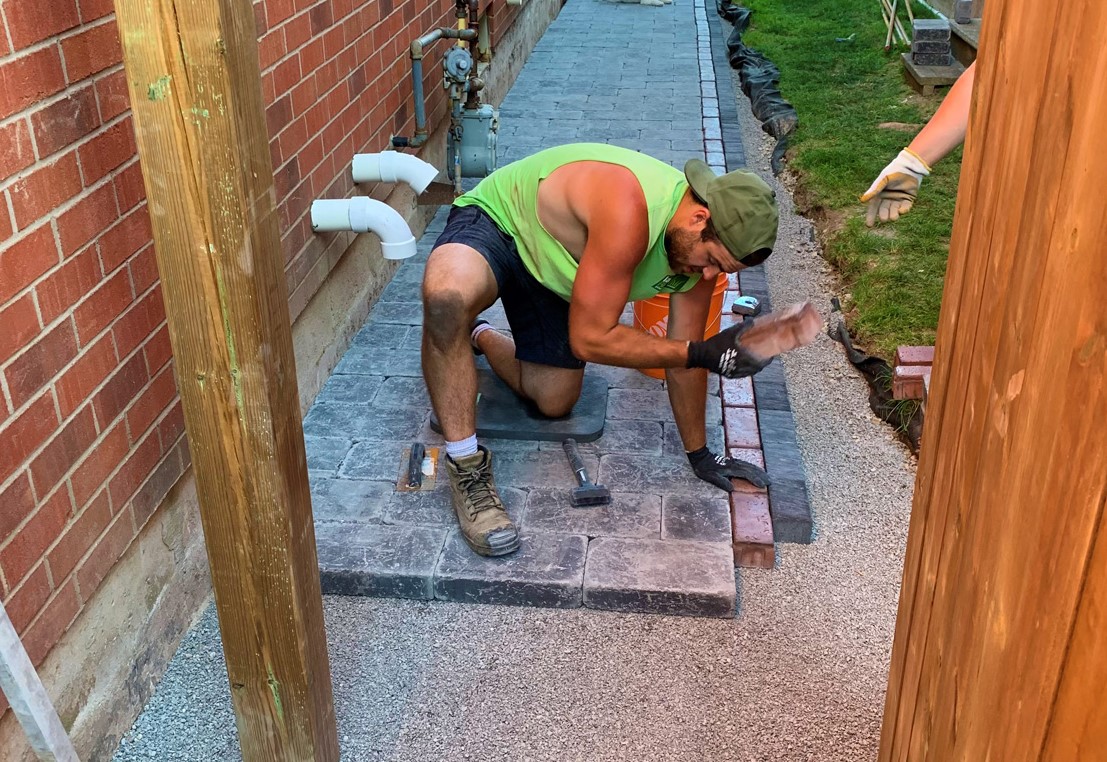
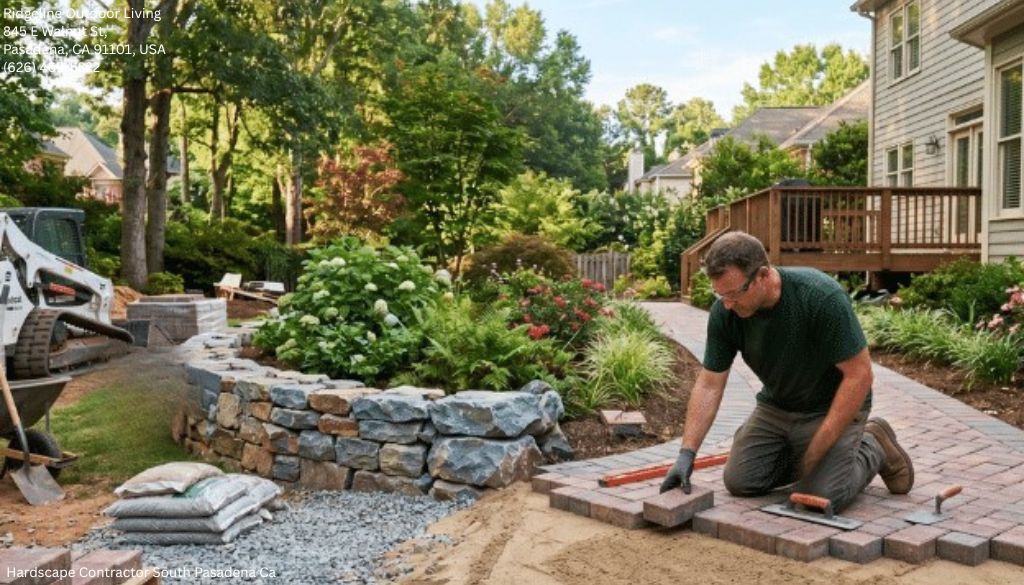
A proper installation starts with excavation to the right depth for the soil, traffic, and climate. Then comes the base, placed in lifts and compacted thoroughly. Bedding sand is screeded over the compacted base, the pavers are set in the chosen pattern, cuts are made cleanly, edge restraints are installed, joint material is worked in, and the surface is compacted again to lock everything together.
The details change with material selection. Permeable concrete pavers need an open graded base instead of a conventional dense base. Some natural stone products require more careful leveling. Brick may call for tighter aesthetic control around borders and soldier courses. But the common theme is this: installation quality usually matters as much as material quality.
If you want a short contractor screening checklist, keep it simple:
Those five questions reveal a lot. Contractors who do this work properly answer them without hesitation.
Understanding the money side without fooling yourself
Paver driveway installation cost can vary widely by region, site paver driveway design & installation access, material choice, and the amount of prep work required. If you are trying to build a realistic driveway replacement budget, it helps to separate visible materials from the labor and site work.
Driveway paver cost per square foot often gets quoted as a neat number, but the actual driveway installation cost breakdown rarely stays neat. A simple rectangular driveway on sandy, easy draining soil is one thing. A steep drive with clay soil, tree roots, drainage corrections, and tight access is another.
Driveway excavation costs alone can swing the total. So can the depth of aggregate required, hauling fees, disposal costs, and whether old asphalt or concrete must be removed first. Paver driveway labor cost is also significant because laying pavers is more labor intensive than pouring asphalt and often more detailed than placing a plain concrete slab.
For broad planning purposes, concrete paver driveway pricing is usually higher than standard poured concrete and higher than asphalt at the start. Brick driveway paving cost may run a bit above concrete pavers depending on the product. Natural stone tends to cost the most. Permeable systems can also cost more because of specialized base materials and installation methods.
That sounds discouraging until you look at lifecycle value. Paver driveway versus concrete cost is not just an upfront comparison. Plain concrete may be cheaper at installation, but when it cracks badly, repairs are often visually obvious. Pavers can settle or shift too, but many issues can be corrected by lifting and relaying sections. That affects driveway paver lifecycle cost and long term serviceability in a very real way.
Paver driveway versus asphalt cost follows a similar pattern. Asphalt is often the budget winner at installation. It can be a smart choice for some homes. But it generally needs sealing, can soften in extreme heat, and does not offer the same visual lift or repair flexibility. If resale appeal matters, driveway paving return on investment often favors well installed pavers, especially in neighborhoods where buyers notice exterior finish quality.
Where homeowners overspend, and where they should not cut corners
The most common overspend is chasing premium material while underfunding prep work. I would rather see a homeowner choose a good mid range interlocking concrete paving stones product over a luxury stone paver laid on a weak base. The first option usually gives better service and fewer headaches.
The most dangerous place to chase affordable driveway paving options is hidden beneath the surface. Thin base, poor compaction, weak edge restraint, and bad drainage create expensive callbacks. The problems may not show in the first month. They show after a wet winter, after repeated wheel turns, or after one heavy service truck parks in the same spot.
A smarter place to control cost is pattern complexity. Intricate layouts, multiple accent bands, and lots of small cuts can drive labor costs up fast. A clean field pattern with one restrained border often gives a better result than an overdesigned driveway trying to do too much. Small format paving stones usually increase labor a bit, but they can also offer strong interlock and graceful curves. Large format driveway pavers may reduce piece count but can raise product cost and demand more precision on the base.
Maintenance is part of the value equation
Driveway maintenance expenses for pavers are usually manageable, but they are not zero. Joint sand may need refreshing. Weeds can appear if joints are neglected. Some driveways benefit from occasional cleaning and, in certain cases, sealing. Snow plowing should be done with care so blade edges do not catch the paver surface or edge restraints.
The upside is that maintenance is often incremental. If one area settles near a downspout discharge or utility trench, it can usually be repaired locally. That local repairability is one of the strongest arguments for paver driveway long term value.
For climate durability, the safest mindset is to assume your driveway will get abused. Choose weather resistant driveway pavers with proven freeze thaw performance if you live in a cold region. Prioritize driveway paver wear resistance if you have frequent turning movements or a heavier vehicle. If your family drives large SUVs and pickups, say so up front. Heavy duty driveway pavers are not overkill when the load is real.
A few judgment calls that tend to work well
When homeowners ask me what tends to age best, I often point them toward dense concrete pavers in blended, mid range colors, or true clay brick in the right architectural setting. Those two categories cover a lot of successful driveways because they strike a useful balance between appearance, performance, and serviceability.
Natural stone earns its price when the house and landscape justify it and the installer has real experience with that specific stone. Permeable concrete pavers are worth the extra thought when drainage is a recurring nuisance or local code pushes you there anyway. The key is honest driveway paver material selection, not buying for bragging rights.
If you are comparing bids, remember that material names alone do not tell the whole story. The difference between a driveway that still looks sharp fifteen years later and one that starts telegraphing problems in three often comes down to details most visitors never notice: excavation depth, compaction discipline, edge restraint, and water management.
That may not be the glamorous part of shopping, but it is the part that protects your driveway replacement budget and turns a pretty surface into a durable one. A well planned paver driveway is not just a finish. It is a system, and when the system is built right, it earns its keep every time you pull into the house.