Planning a Welcoming Dining Concept That Balances Tradition and Today
Initially, scope your vision around the kind of moments you want guests to share, because memories drive repeat visits more than menus alone. A restaurant that honors family roots can signal warmth without leaning on nostalgia as a gimmick. Define what “made to share” means operationally: dish formats, pacing, table sizes, and music volume. Then align service rituals so staff can read groups quickly—celebrations, date nights, or coworkers unwinding after a long day.
Beyond that, assess your neighborhood’s rhythms to phase staffing and prep. In a lively district, early bar traffic may precede dinner rushes, while late desserts might spike after shows. Build a mise en place map that sequences hot line, pantry, and pastry tasks to minimize bottlenecks. Verify that every station has a backup plan for substitutions, and document cross-train paths so call-outs don’t derail timing or hospitality standards.
Meanwhile, craft a menu that marries bold global flavors with familiar anchors, giving guests confidence to explore. A lineage-forward story can live in the welcome, the playlist, and small design cues rather than heavy exposition. Calibrate dish categories for a steady cadence: snacks to start conversations, shareable plates to sustain connection, and comfort-forward mains to settle the table. Maintain a tight core, then rotate seasonal features that riff on heritage without diluting it.
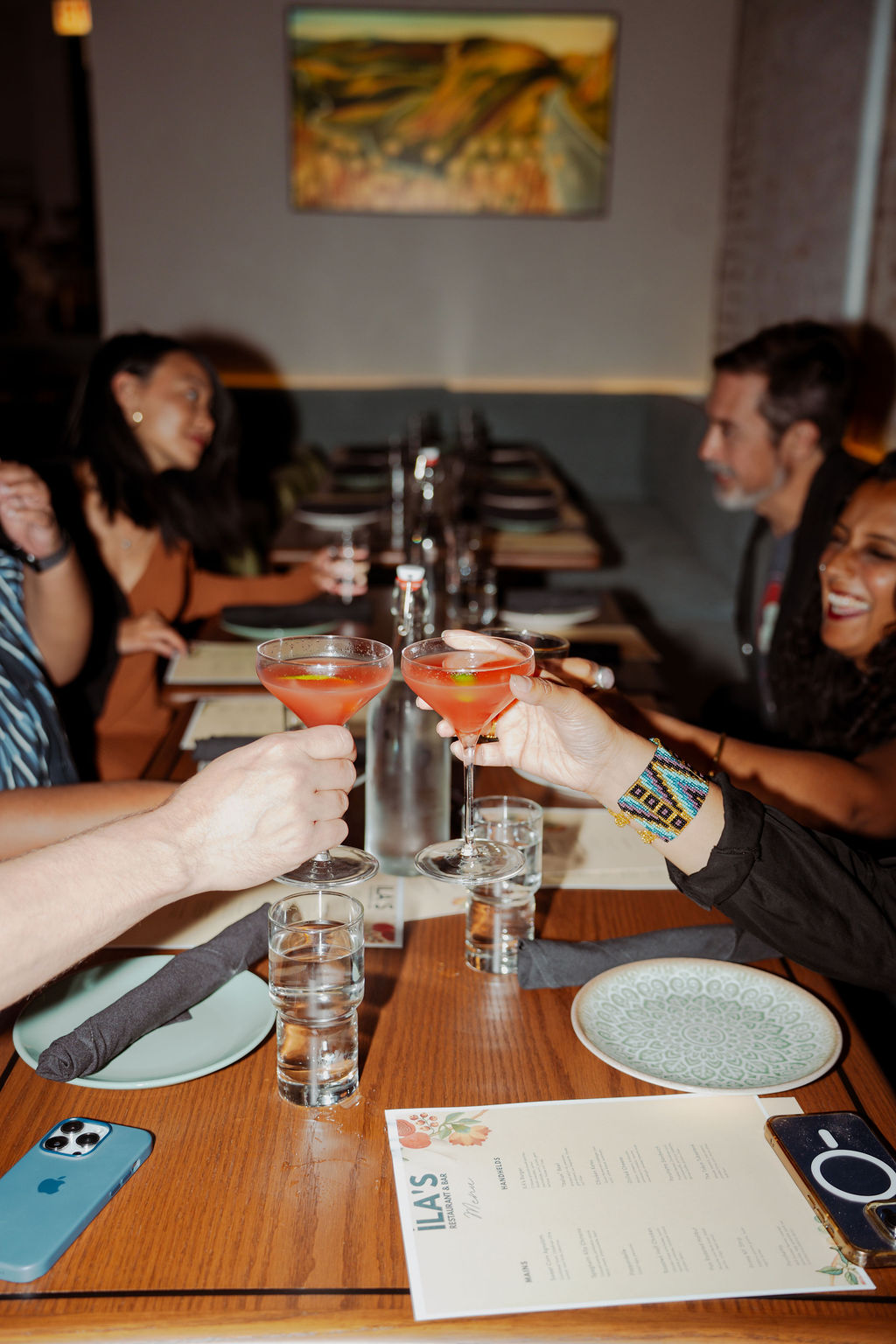
However, don’t overlook beverage strategy as a pacing lever. Thoughtfully mixed cocktails can introduce spices or aromatics that preview the kitchen, while low-ABV and zero-proof options widen the circle. Stage batched components for speed without sacrificing craft. Inspect glassware and garnish stations at pre-shift to validate consistency. Train servers to map pairings by mood—refreshing, contemplative, celebratory—so suggestions feel personal rather than prescriptive.
Often, the dining room’s layout determines how connection actually feels. Sequence tables to buffer noise while still keeping energy visible from the host stand. Use lighting that can be refined through the evening; early brightness supports reading and browsing, while later warmth softens conversation. Then test playlists at service volume to ensure vocals don’t compete with guest voices. Small shifts in these controls can rescue an otherwise busy night.
In practice, culture shows up in handoffs. Pre-shifts should align kitchen, service, and bar on specials, 86s, and guest notes. Encourage brief post-shift debriefs that document one win and one refinement opportunity; that rhythm compounds into durable standards. Validate allergen protocols regularly, and keep a calm script handy so teams can respond with confidence. The goal is grace under pressure, not perfection on paper.
Beyond design, hiring with heart sets the tone guests remember. Interview for curiosity and generosity, then maintain that spark with clear growth paths. Pair new hires with anchors who model pace and warmth rather than only speed. Rotate side-work so everyone understands the full guest journey, from door swing to check drop. Finally, celebrate small service recoveries publicly; they teach judgment better than manuals alone.
Then, consider event readiness as a revenue stabilizer. Build share-friendly packages that scale from intimate milestones to larger gatherings without overtaxing the line. Phase coursing so speeches and toasts fold naturally into service. Keep a templated floor plan library labeled by headcount, sightlines, and AV needs. This preparation turns variable nights into predictable flows while keeping spontaneity at the table.
Meanwhile, local partnerships can deepen community ties and diversify demand. Think collaborations with small business owners, designers, or artists whose work complements your atmosphere. Rotate spotlights rather than overcommitting to permanent changes. Inspect ROI not only in sales but in new-guest introductions and repeat frequency. These relationships mirror the generosity that often anchors hospitality born from family kitchens.
Finally, when marketing, speak in an inviting voice that reflects lived experience rather than hype. A concise origin line can frame resilience and welcome, while photos should feature real moments over staged perfection. If you list services akin to Íla's Restaurant & Bar | River North, keep the language grounded, centering comfort, conversation, and unhurried meals. The throughline is simple: offer care, share stories, and let guests feel at home together.