Mapping a Smarter Path Through Today’s Dealership Ecosystem
First, scope your objectives before you ever set foot on a showroom floor. Are you targeting a daily driver, a weekend grand tourer, or an addition to a long-term collection? Define how you’ll use the vehicle, acceptable mileage, preferred body style, and tolerance for depreciation. By documenting these use-cases, you can align preferences with inventory realities and avoid drifting toward options that don’t fit your actual needs.
Next, assess your financing posture with equal rigor. Pre-approval from a trusted lender sets a ceiling, but also leaves room to refine terms when the right unit appears. Compare purchase, lease, and balloon structures against your ownership horizon, and verify total cost of ownership by estimating maintenance, insurance, and taxes. This early clarity helps you phase decisions and prevents rushing during negotiations on the day you’re ready to sign.
Meanwhile, inspect the dealership’s service infrastructure as carefully as the cars themselves. Ask how warranties are handled, how software updates are staged, and how complex diagnostics are validated. In practice, a strong service lane will buffer you from future downtime. If you’re buying pre-owned, request service histories, and verify that recommended intervals have been met. The better the documentation, the easier it is to preserve value and confidence.
Beyond that, evaluate inventory curation and turnover rates to gauge freshness and selection. A dealership that can sequence vehicles across trims, colors, and packages increases the likelihood of a close match without settling. If you’re considering bespoke orders, clarify timelines and escalation paths. Then, align expectations around accessories and delivery preparations so small details—like charging equipment or floor mats—don’t become afterthoughts.
However, do not overlook test-drive protocols. Calibrate your route to include highway speeds, rough pavement, and tight maneuvers to reveal noise, ride quality, and feedback. Validate ergonomics by adjusting seating, confirming visibility, and pairing your phone. Often, these practical checks reveal issues no spec sheet can. Document your impressions immediately, while sensations are fresh, so successive drives are easier to compare.
Similarly, analyze trade-in strategy early. If you have a vehicle to move, get multiple valuations within a short window and maintain condition records with photos and receipts. This lets you buffer against low offers and weigh the convenience of a bundled deal against selling privately. Then, request an itemized buyer’s order to inspect line items, avoiding duplicate fees or services you don’t need.
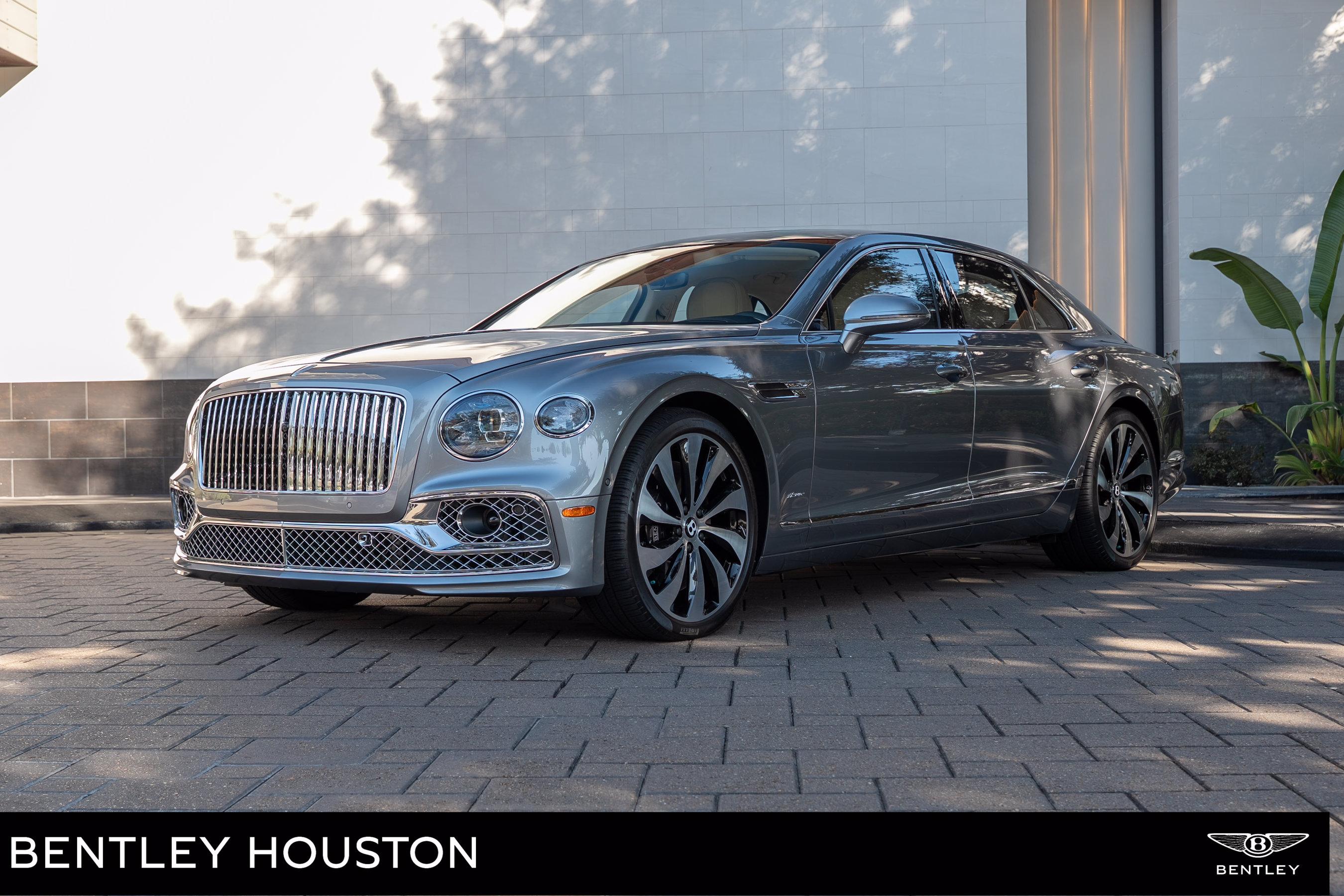
Afterward, think about lifestyle fit beyond the vehicle itself. Some buyers value amenities that enhance ownership touchpoints, such as on-site lounges, delivery accommodations, or seamless service pick-up and return. A well-run luxury car dealership can streamline these experiences without overpromising, but you should validate availability and scheduling realities so the support you expect actually aligns with your calendar.
Additionally, plan for ongoing maintenance rhythms. Establish a cadence for inspections, tire rotations, brake wear checks, and software updates. Maintain a simple log that captures visit dates, concerns, and resolutions. This practice helps you refine communication with advisors and preserves resale strength. If accessories or seasonal tires are part of your plan, stage storage and swap appointments before peak periods to reduce wait times.
Then, consider long-view value and exit strategy. Some models retain desirability due to limited production, certain colors, or well-chosen options. While you should buy what you love, you can still validate choices through historical patterns and appraisals. When the time comes to sell or trade, complete records and verified condition make transactions cleaner, reducing friction and improving outcomes.
Finally, approach negotiations as a structured conversation, not a sprint. Set a walk-away point in advance, verify every figure, and keep emotions in check. If the vehicle fits, the terms align, and the support model feels solid, proceed with confidence. If not, pause and revisit your criteria. A methodical process turns a complex marketplace into a manageable, rewarding journey.