Shaping Smart HVAC Choices for Homes and Small Workplaces
Planning an HVAC project starts with clarifying the problem you want to solve, not just the equipment you think you need. Assess the building’s load profile, room-by-room airflow, and existing electrical capacity. In practice, gather utility bills, note comfort hot spots, and sketch how occupants actually use the space. This baseline helps align expectations with feasible options before any quotes roll in, reducing change orders later.
Next, scope the workflow from evaluation to handoff. Verify whether a simple tune-up and HVAC Maintenance can stabilize comfort, or if capacity and distribution limits demand deeper changes. Meanwhile, confirm access for tools, curbside placement, and safe pathways for moving air handlers. A clear scope defines the right labor mix, staging areas, and whether work must be phased to keep parts of the building functional.
Beyond that, budgeting should factor more than sticker price. Inspect duct integrity, insulation levels, and envelope leaks that can undermine performance. Then buffer for contingencies like electrical upgrades, condensate routing, or code-driven clearances. A reliable budget pairs equipment, accessories, and labor with soft costs such as permits and inspections, so you aren’t forced into compromises midstream.
However, timing can make or break the experience. Sequence work to avoid peak weather where possible, and validate lead times for major components. Often, a pre-season window lets you test under moderate conditions, verify refrigerant charge, and refine airflow settings. If emergency HVAC Repair is unavoidable, insist on a follow-up visit after the first temperature swing to recalibrate controls and check static pressure.
Then consider the building’s long-term operating profile. For spaces that sit idle for hours, advanced controls and zoning may outshine brute-force capacity. Ductless Mini Split systems can target specific rooms without tearing into finished walls, while central systems might serve larger open areas more efficiently. Document preferred temperature bands and occupancy patterns so contractors can right-size without guessing.
Meanwhile, code compliance and permitting deserve early attention. Validate that proposed placements meet clearances, combustion air requirements, and service access needs. For Water Heaters and heating appliances, confirm venting paths and condensate disposal comply with local rules. Proper documentation smooths inspections and prevents rework, especially when equipment swaps become HVAC Replacement Services instead of straightforward swaps.
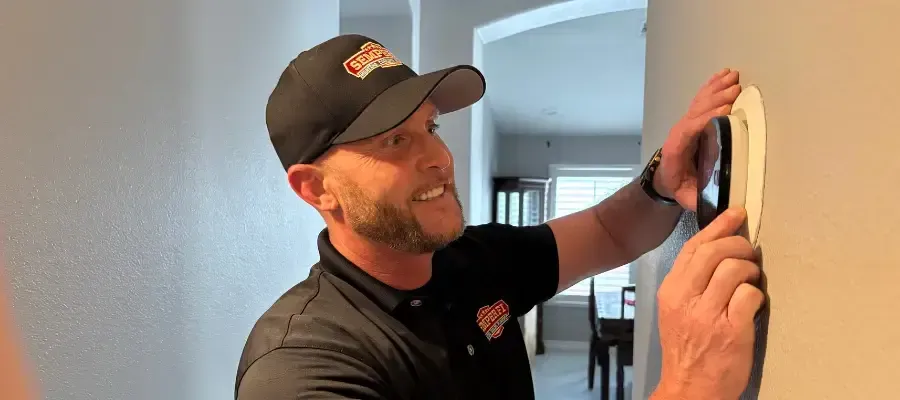
In practice, quality control anchors the install day. Inspect line set routing, support spacing, and termination details before panels go back on. Calibrate thermostats and verify sensor locations away from heat sources or drafts. Finally, insist on measured data: supply and return temperatures, static pressure, voltage, amperage, and refrigerant subcooling or superheat. Numbers reduce ambiguity and speed up warranty conversations if needed.
Beyond equipment, the handoff matters. Maintain a simple binder or digital folder with model numbers, filter sizes, maintenance intervals, and warranty registration. Stage spare filters and note shutoff locations for gas, water, and electrical. A clear operations snapshot empowers occupants to respond quickly to alerts and helps technicians service the system without guesswork.
Often, ongoing HVAC Installation expectations blur with service aftercare. Align on a first-year plan that includes seasonal Heating and Cooling Service, duct inspection, and drain line checks. Validate that thermostat schedules actually match occupancy, and refine fan settings to balance comfort and noise. Small adjustments early can extend component life and keep energy use predictable.
Finally, vendor fit extends beyond technical skill. Verify responsiveness, documented processes, and transparent communication during site walks and proposals. Ask how they stage parts, phase tasks, and handle punch-lists. When a contractor can explain risks, buffer for surprises, and outline clear next steps, you gain confidence that the system will perform as intended across seasons, not just on install day.