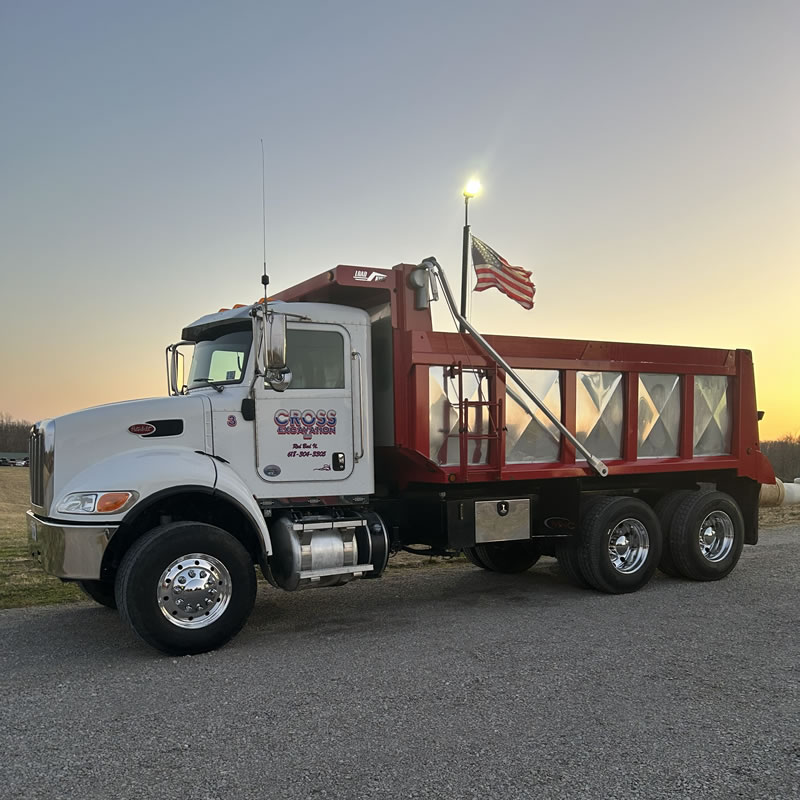
Groundwork That Lasts: A Small Owner’s Guide to Choosing and Managing Earthwork Projects
Starting any build begins beneath the surface, and the smartest owners scope the earthwork early. Define your purpose, target footprint, and performance expectations before any machine touches soil. Document access points, setbacks, and utilities, and align these with a realistic schedule. This groundwork plan helps you validate budgets, buffer for surprises, and select partners whose methods match the soil conditions and the project’s risk profile.
Next, assess the site’s history and subsurface clues. Past fill, buried debris, or seasonal saturation can skew grading and compaction results. Verify available surveys and geotechnical reports, then request clarifications where data is thin. In practice, even a modest residential pad benefits from borings or test pits. These inputs allow the crew to sequence excavation, manage moisture, and refine cut‑and‑fill balances without costly midstream changes.
Meanwhile, frame the scope with precision. List the discrete tasks: clearing, stripping, rough grade, trenching, backfill, and final grade. Calibrate tolerances for slopes, elevations, and drainage paths. Often, owners accept “close enough” when a few tenths of a foot matter greatly to runoff and slab performance. A clear scope reduces rework and helps the Excavating contractor price contingencies realistically rather than guessing at unknowns.
Beyond that, plan the interface between earthwork and flatwork. Subgrade quality dictates how concrete behaves over seasons. Specify compaction targets, base thickness, and moisture thresholds before forming begins. Then validate these conditions with on‑site tests, photographs, and daily logs. A thoughtful handoff to the Concrete contractor protects edges, joints, and drainage transitions so patios, sidewalks, and driveways shed water predictably instead of channeling it toward structures.
However, materials management is where many projects drift. Identify sources and lead times for rock, gravel, and sand early, and confirm truck access and staging areas. Sequence deliveries to match excavation phases so piles don’t block haul routes or contaminate soils. An experienced Aggregate supplier can help balance gradations for stability while minimizing waste, especially when weather forces crews to pivot between tasks.
Then, phase the work to respect utilities and safety. Mark existing lines, verify depths, and maintain setback buffers while digging. Inspect trench walls and spoil placement frequently, and document corrections. Even with small service laterals, shoring and benching decisions matter. When unknowns arise, pause to validate assumptions rather than pushing ahead. A brief hold now can prevent damaged services and schedule shocks later.
Often, drainage is the quiet decider of long‑term performance. Shape swales, verify positive fall from structures, and maintain outlet integrity throughout construction. Buffer critical low points from traffic that can rut finished grades. Where soils are fine‑grained, integrate fabric and graded base to resist pumping. Finally, review the whole water path after rain to confirm that your design performs under real conditions, not just on paper.
In practice, documentation keeps teams aligned. Daily photos of grade stakes, bench marks, and compaction readings create a shared record that de‑risks inspections. Track change drivers and tie them to weather logs or unforeseen subsurface conditions. This trail supports fair adjustments and prevents disputes. Owners who maintain crisp files can hand off confidently to future trades and close out permits without last‑minute scrambles.
Then, think lifecycle, not just turnover. Maintain swales and inlets, monitor settlement near trenches, and refresh aggregate shoulders before rutting propagates. Where concrete meets soil, keep edges clean and sealed to deter water intrusion and freeze‑thaw stress. Small seasonal tune‑ups preserve elevations and reduce the chance of ponding that undermines pavements and landscapes over time.
Finally, fit matters when choosing partners. Validate licensing, insurance, and bonding appropriate to your scope. Review similar projects, ask about crew size during peak weeks, and understand how they stage equipment to minimize neighborhood impacts. Align on communication cadence and field decision rights. With a clear plan, disciplined sequencing, and transparent records, you’ll deliver stable ground that supports the build above for years.