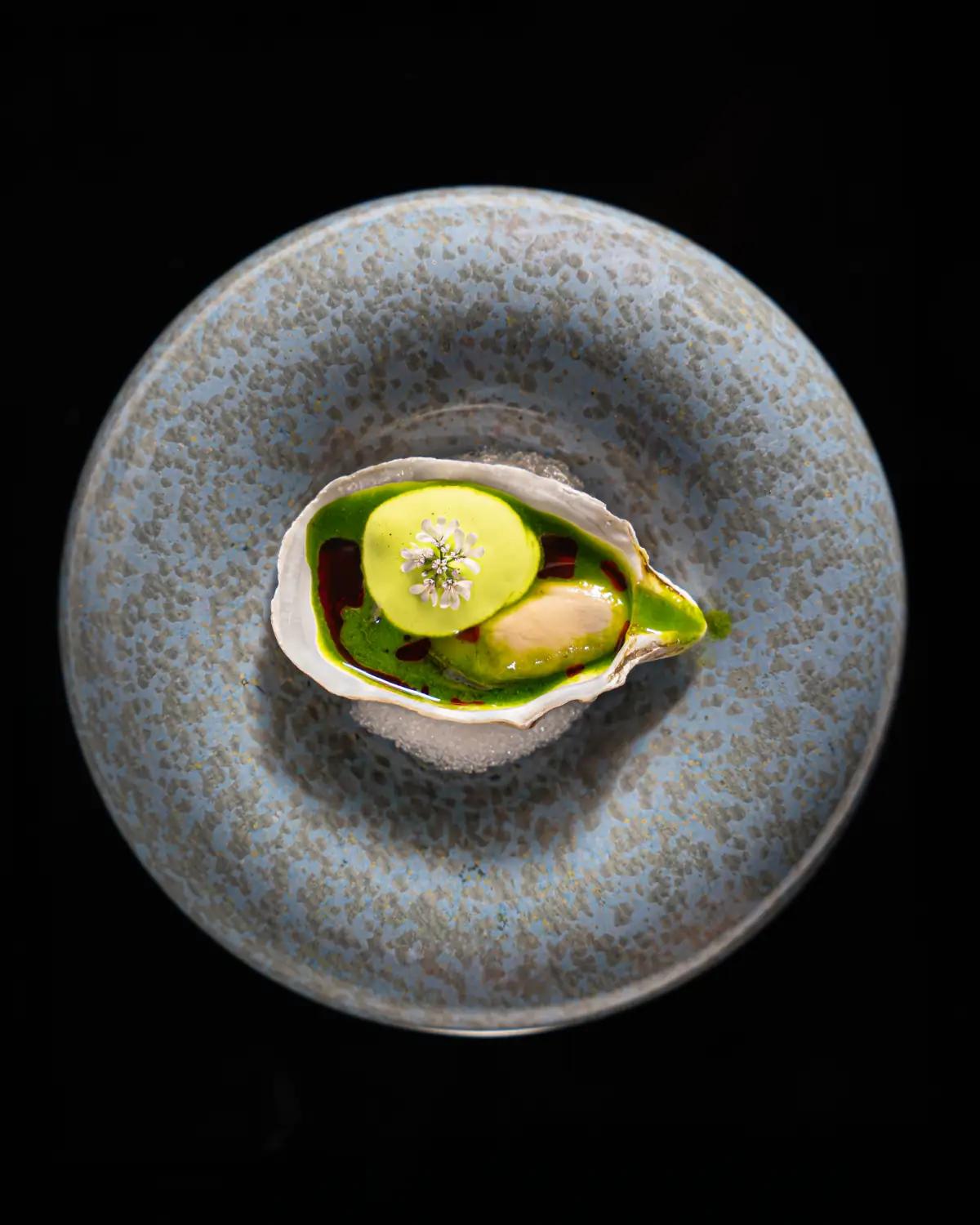
Strategic Choices for a Memorable Night of High-End Dining
First, assess what kind of evening you want: a languid conversation over multiple courses, or a focused exploration of technique and flavor. Fine dining today spans intimate counters and hushed dining rooms, with experiences ranging from leisurely service rhythms to tightly choreographed tastings. Clarifying your priorities early helps you match ambiance, pacing, and culinary style, especially when reservations and menus are shaped by seasonal sourcing and chef-driven narratives.
Meanwhile, verify the reservation mechanics and lead times, since popular tasting rooms can book out swiftly. Determine whether prepayment or credit card holds are required, and understand policies on timing and arrival grace periods. This ensures your table, counter seat, or private nook is secured without last-minute surprises. If you’re deciding between a traditional dining room and a chef-facing counter, confirm seating configurations before locking in your date.
Beyond that, align the occasion with the tasting structure. Some kitchens present extended progressions that evolve from delicate, precise courses into richer plates, while others offer streamlined arcs. If you prefer a narrative that fuses techniques or cultures, check menu philosophy and how frequently it changes. When planning with companions, consider appetite, pacing tolerance, and any dietary limits to avoid mid-meal adjustments that could disrupt service flow.
In practice, validate dietary accommodations directly with the venue. Many tasting menus can adapt to allergies or aversions if notice is provided, but substitutions may alter the chef’s intended progression. Provide specifics rather than broad categories, and ask which courses might shift. By clarifying boundaries and expectations, you maintain the integrity of the dining arc and reduce friction during execution.
Often, calibrate your arrival and pre-dinner habits. Heavy snacks, strong perfumes, or fatigue can blunt perception during nuanced sequences. Arriving slightly early allows you to settle, hydrate, and attune to the room’s tempo. If you plan a Fine Dining Experience that lasts several hours, think through transportation afterward so you’re not rushed when the final pastry or mignardise arrives.
However, inspect the beverage approach before you book. Tasting menus may shine with pairings that mirror the cuisine’s structure, but a savvy à la carte selection can also emphasize contrast or resonance. Discuss tolerance for alcohol pacing, seek nonalcoholic pairings if preferred, and consider temperature and glassware impacts. Good beverage alignment amplifies texture and aroma cues the kitchen highlights across progressive courses.
Then, document your preferences subtly when confirming. Notes about seat type, celebration context, or photography comfort levels help the team shape your experience without intruding. In tasting-driven settings, small spatial details—counter proximity, lighting, sightlines—change how you perceive craftsmanship. If you’re exploring a Chef's Table Experience, verify how interaction with the culinary team is woven into service timing.
Next, stage your expectations around pacing and silence. Culinary theaters can alternate between lively engagement and focused quiet while plates land in rapid succession. Embrace pauses designed to reset your palate. If sharing feedback, do so between courses, not during explanations. This rhythm respect preserves the kitchen’s sequencing and your own sensory attention across the meal’s crescendo and denouement.
Finally, refine your post-meal follow-through. Capture impressions soon after dining, noting standout textures, temperatures, and transitions between savory and sweet. If you intend to return, track seasonal shifts and how the kitchen adapts to new produce or fish runs. Thoughtful feedback shared through official channels supports hospitality teams and helps you target future reservations for evolving menus.
Ultimately, maintain a flexible mindset. High-level tasting rooms balance precision with responsiveness, and minor adjustments—seating tweaks, course timing shifts, pairing substitutions—can enhance the evening. By scoping your goals, validating logistics, and aligning preferences, you give the kitchen room to tell its story and yourself space to enjoy a crafted, immersive journey plate by plate.