Planning a Reliable Plumbing Path From Rough-In to Finish
Homeowners benefit from viewing the plumbing scope as a phased journey rather than a single task. Early decisions about fixture locations, pipe materials, and venting strategies affect future access, efficiency, and longevity. Assess the current infrastructure, map preferred fixtures, and establish clear tolerances for walls and floors. That preparation helps reduce rework later, minimizes cuts into finished surfaces, and clarifies what work can proceed in parallel with other trades.
Beyond that, material selection deserves more attention than it often gets. Copper, PEX, and cast iron each behave differently through expansion, sound transmission, and long-term wear. Verify local code acceptance and evaluate service temperatures, water chemistry, and anticipated pressure variations. Thoughtful choices here make routine service simpler and support quieter operation. Pairing compatible fittings and valves across the system reduces mixed-metal issues and streamlines future maintenance or upgrades.
Meanwhile, rough-in sequencing should be validated against framing, electrical runs, and HVAC routes. Stacking bathrooms or aligning kitchens and laundries can shorten pipe runs and simplify venting paths. Document pipe sizes, cleanout locations, and shutoff placements on an as-built sketch. That drawing helps during inspections and becomes indispensable when walls close. Inspecting hanger spacing, slope for drains, and isolation for vibration before insulation saves time and money later.
However, drainage planning in multi-story layouts requires careful pitch and vent strategy. Slope calibrations need to balance flow velocity with noise control to prevent gurgling or trap siphonage. Validate alignment of branch arms and vent ties to meet code while keeping access points logical. Then confirm cleanout accessibility behind removable panels or within closets instead of hiding them in hard-to-reach cavities.
In practice, fixtures and valves should be staged with lead times and substitutions in mind. Supply chain hiccups can derail tile schedules or drywall closures if trim kits arrive late. Maintain a buffer by ordering core components early and verifying compatibility between rough-in valves and selected trims. When a swap is unavoidable, compare dimensions and deck thickness ranges so mounting hardware still lands correctly without field modifications.
Often, water quality and temperature targets shape appliance choices. Water heater sizing should reflect fixture counts, simultaneous demand, recovery needs, and venting options. Insulate hot runs strategically to limit standby losses, and validate expansion control where closed systems exist. Drain pans, leak alarms, and accessible shutoffs offer inexpensive resilience. These steps support both new builds and service scenarios without promising outcomes, simply building prudent safeguards.
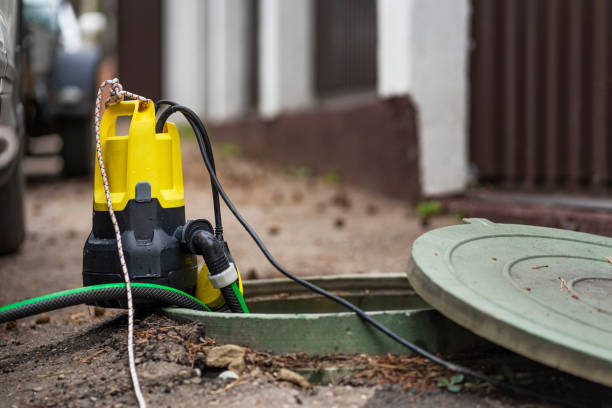
Then, underground utility considerations demand careful layout and verification. Mark existing services, confirm elevations, and sequence excavation to keep trenches safe and dry. Soil conditions influence bedding and backfill around piping, especially near foundations. Properly staged Underground Plumbing and Excavation protects later landscaping and hardscapes from unnecessary disturbance. Photographing depth and pipe routes before covering aids future troubleshooting without destructive digging.
Beyond troubleshooting, lifecycle thinking keeps budgets predictable. Plan for valves at logical branch points so fixtures or zones can be isolated without shutting down the whole property. Maintain a simple log of filter changes, hose bib winterizing, and periodic trap cleaning. Water Heaters and Drain Cleaning schedules reduce surprises and let you align service visits with seasonal shifts or tenant turnovers in multi-unit properties.
Additionally, finishing details affect day-to-day usability. Align escutcheons, maintain consistent reveal lines, and validate fixture clearances to drawers and doors. Pressure-balance or thermostatic controls add safety and comfort, while accessible shutoffs under sinks simplify future Plumbing Repairs. Replacements and Installations should respect existing surfaces by using appropriate sealants, supports, and torque to avoid cracking fragile finishes or stressing supply lines over time.
Finally, closeout is more than turning a wrench. Test each fixture methodically, bleed air, and verify drain performance under sustained flow. Document serial numbers, valve locations, and filter types, then share basic care notes with occupants. A brief walk-through builds confidence and sets expectations for routine service. With clear records and deliberate choices from start to finish, your system stands ready for years of reliable use.