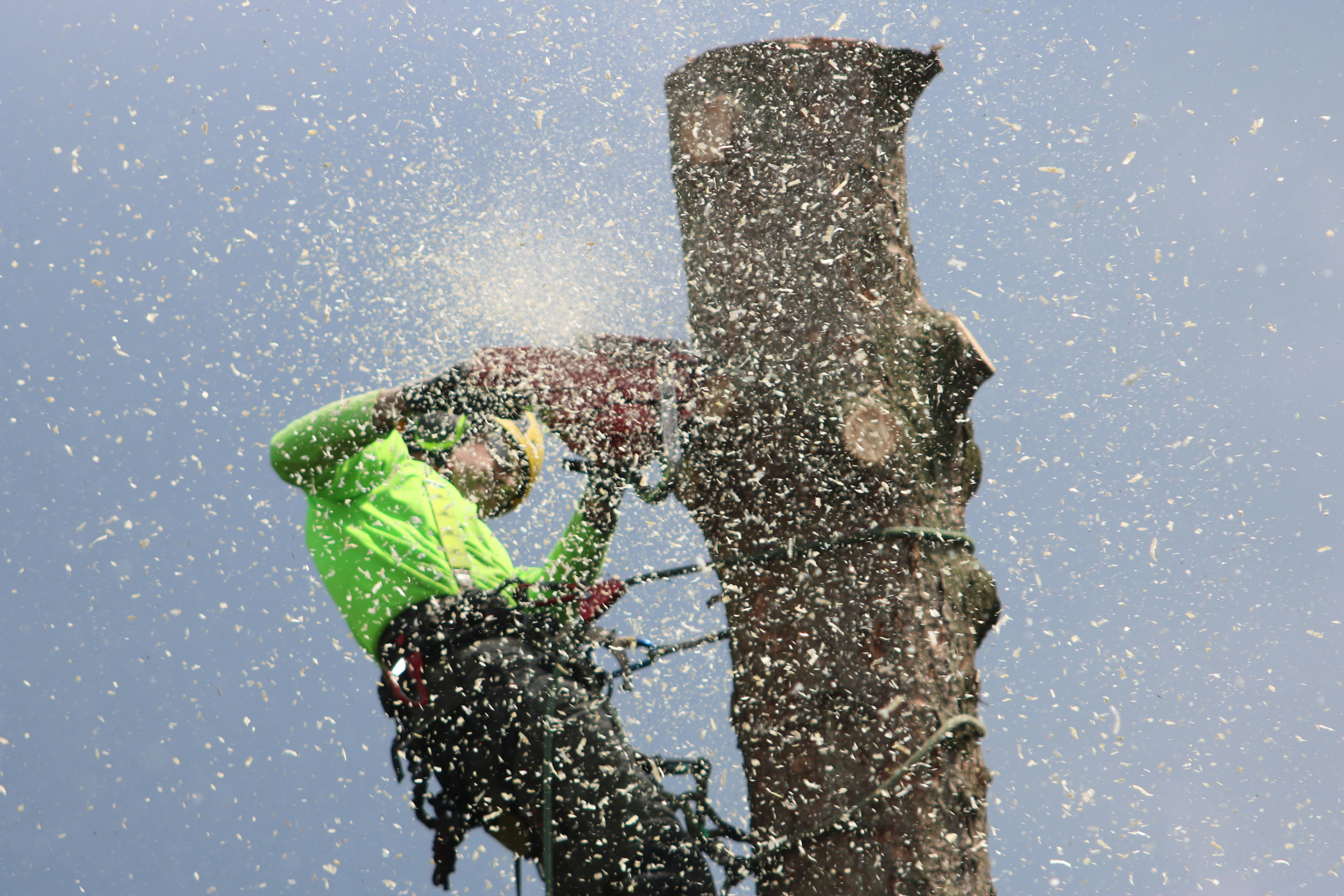
Smart Steps for Safer, Healthier Trees on Residential and Commercial Properties
Planning tree work starts with a clear objective and a walk-through of the property. Assess what you want to protect—rooflines, fences, utilities, sidewalks—and where access points exist for crews and equipment. Map drip lines, root zones, and high-traffic areas. Then align the work scope with the season, hazard level, and your tolerance for disruption. This groundwork prevents surprises, controls costs, and keeps the job focused on outcomes.
Meanwhile, scoping specific services benefits from a layered approach. Begin with risk reduction: identify deadwood, storm-damaged limbs, or trees leaning toward structures. Then phase aesthetic goals like canopy balance and light penetration. Tree Trimming can be scheduled after structural Tree Pruning to refine clearance. Document priorities so the crew can sequence tasks efficiently, minimizing time aloft and handling brush only once.
However, not every tree needs the same intervention, and an Arborist can help validate choices. Species, age, vigor, and site stressors shape recommendations. Young trees might need structural pruning to prevent future defects, while mature specimens may require cautious reductions. In practice, removals are reserved for trees that present unacceptable risk or cannot be reasonably preserved. Clear criteria keep decisions consistent and defensible.
Beyond that, seasonal timing matters more than many expect. Dormant periods often allow cleaner cuts and reduced disease pressure, while summer offers better visibility for weight distribution and clearance work. Storm seasons call for a readiness plan, including access routes and debris staging. Buffer schedules for weather delays and nesting wildlife constraints. A thoughtful calendar protects tree health and aligns labor with the safest windows.
Often, budgeting improves when you package compatible tasks. Group nearby pruning, removals of small hazard trees, and Stump grinding to reduce mobilization fees and duplicate setup. Then verify disposal preferences in advance—chipped mulch onsite, hauled away, or logs cut to size. Transparent expectations reduce change orders. Ask for options: phased work across fiscal periods or priority-based line items can preserve momentum without overextending resources.
Then look closely at site logistics. Narrow gates, steep drives, septic fields, and soft turf influence equipment selection and work staging. Protect lawns with ground mats, and mark underground utilities before digging or grinding. Sequence heavy operations first so lighter finish work isn’t undone by traffic. Inspect tie-in points for climbing, and validate drop zones to keep structures and plantings safe throughout the operation.
Finally, quality control hinges on shared standards. Define acceptable pruning cuts, clearance distances from structures, and clean-up expectations before work begins. Calibrate the plan to local regulations, neighborhood guidelines, and tree protection ordinances. Take before-and-after photos to document scope completion and confirm that structural objectives were met. This close-out step supports warranty discussions and informs future maintenance timing.
Next, think lifecycle maintenance rather than one-time fixes. A three-to-five-year pruning cycle for key trees, supplemented by annual inspections, helps maintain structure and vigor. Mulch properly, avoid overwatering, and prevent trunk damage from equipment. Validate cabling or bracing periodically if installed. Consistent care costs less than reactive removals, and it preserves canopy benefits like shade, wind buffering, and curb appeal.
In practice, vendor fit determines how smoothly everything runs. Ask about training, insurance, and safety protocols; verify that climbers and ground crews follow industry best practices. Discuss communication cadence, including on-site briefings and change approvals. Choose partners who educate, explain trade-offs, and provide realistic timelines. Good alignment turns complex operations into predictable days with minimal impact on neighbors and tenants.
Ultimately, integrating Tree Removal, Tree Pruning, and follow-up inspections into a clear roadmap keeps properties resilient. Start small with hazard mitigation, refine structure and aesthetics, and maintain with scheduled touchpoints. If your property serves both residents and customers, build in quiet hours and defined access corridors. With a documented plan and measured pacing, you’ll sustain healthy trees and safer spaces for years.