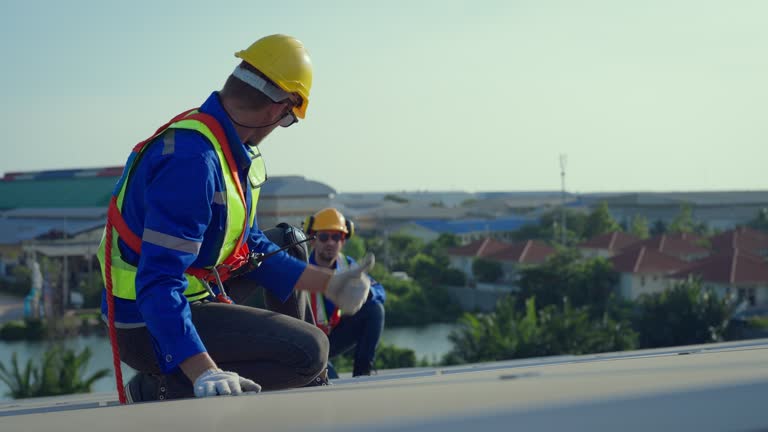
Smart Steps for Choosing and Managing Your Next Roof Project
Starting a roof project begins with scoping the problem and your goals. Determine whether you’re addressing leaks, aging shingles, energy performance, or resale value. Document what you observe indoors and outside, including stains, missing pieces, or soft decking. Then ask contractors to inspect and validate your notes. This shared baseline keeps later discussions grounded, helping you compare options without confusion when proposals use different materials or installation methods.
Next, assess the contractor pool with an eye on licensing, insurance, and trade references. Verify active credentials and request proof in writing, along with a sample contract. In practice, strong roofers explain their workflow clearly and list exclusions plainly. Ask how they stage labor, dumpsters, and material deliveries. Meanwhile, confirm who handles permits and how site safety will be maintained around entrances, landscaping, and sensitive mechanical equipment.
Budgeting benefits from itemized proposals that separate labor, materials, tear-off, disposal, and contingencies. Often, owners forget soft costs like portable sanitation or crane time. Build a modest buffer to absorb surprises such as damaged sheathing. Then compare equivalent systems—apples to apples—across shingles, membranes, or metal profiles. Beyond that, weigh warranty terms tied to specific manufacturers, since coverage can depend on certified installers and adherence to published installation details.
Materials selection should align with climate, roof pitch, and lifecycle priorities. Asphalt shingles remain common for pitched roofs, while single-ply membranes suit many low-slope assemblies. However, underlayments, flashing metals, fastener types, and ventilation strategies drive durability more than the visible surface. Ask bidders to explain edge metal details, valley treatments, and penetrations. Validate that accessories meet local code and are compatible, avoiding galvanic reactions or sealants that fail prematurely.
Scheduling requires thoughtful sequencing to reduce disruptions and rework. Inspect forecasts, but plan for sudden weather shifts. Contractors may phase work by elevations, completing tear-off and dry-in the same day to protect interiors. Then ensure materials are stored off the ground and covered, and that walkways stay clear. Finally, confirm start and stop times to manage noise, access for residents or tenants, and elevator reservations if rooftop deliveries are needed.
Quality control improves when you set checkpoints. Request a pre-start meeting to align on protection plans for landscaping, skylights, and HVAC units. During installation, ask for photos of substrate conditions after tear-off and before new layers go down. Calibrate expectations for daily cleanup, nail sweep procedures, and debris removal. At substantial completion, a punch-list with photos helps both sides verify flashings, terminations, and sealant tooling before final payment is released.
Maintenance planning should be part of the contract handoff. A good program outlines semiannual inspections, especially after storms. Roofers can document seams, curbs, and penetrations so you can track changes over time. Meanwhile, simple measures like clearing drains, trimming branches, and scheduling Gutter Cleaning extend service life. Document each visit; warranty providers often require maintenance records to support claims and validate coverage continuity.
Risk management extends beyond weather. Validate fall protection plans and confirm that crews are trained for ladder safety and hot-applied materials if used. Ask how crews will protect occupants from dust, odors, and vibration. For buildings with sensitive operations, phase work to avoid peak business hours. Sequence loud tasks earlier in the day. Buffer entrances with cones and signage, and maintain emergency egress paths that remain accessible throughout the project.
Scope clarity avoids disputes. Define exactly where work starts and ends, from ridge to eaves and at adjoining walls. Include details for chimney flashings, skylights, and satellite mounts. Roofing Contractor offerings can differ on these edge conditions, so insist on drawings or annotated photos. If decking replacement is time-and-materials, set unit prices upfront. Meanwhile, require submittals for membranes, fasteners, and primers so you can validate compliance before materials arrive.
Waterproofing Services complement a new roof by addressing transitions. Parapet walls, expansion joints, and balcony interfaces often cause leaks when left untreated. Align flashing heights with code, and tie roof membranes into vertical waterproofing using compatible primers and term bars. Then verify that sealant joints have correct width-to-depth ratios. Finally, schedule a post-rain inspection to confirm drainage patterns, looking for ponding or displaced granules that signal issues early.
Documentation is the throughline from bid to warranty. Maintain a project folder with proposals, insurance certificates, daily logs, photos, material data sheets, and signed change orders. Inspect these records against the final invoice to ensure alignment. In practice, strong documentation shortens closeout, speeds warranty registration, and simplifies future repairs. Should ownership change, this package offers clear history, helping the next stakeholder manage lifecycle decisions confidently and efficiently.