From First Symptom to Final Sign-Off: A Practical Owner’s Guide to Air Conditioning Repair Decisions
Planning an air conditioning repair begins with a clear read of symptoms and context. Assess noises, airflow changes, humidity swings, and utility bills, then document when they occur. Verify filter condition, thermostat settings, and breaker status before calling for service. These early checks help define the scope of work, inform scheduling urgency, and reduce guesswork, making the visit more productive and minimizing unnecessary return trips.
Meanwhile, build a baseline of system information to speed diagnosis. Note the equipment age, model numbers, and any past repair records. Inspect for visible issues like icing, water around the air handler, or tripped float switches. In practice, sharing this data allows the technician to arrive with the right parts and tools. That preparedness improves first-visit outcomes and supports accurate recommendations for HVAC Repair or related services.
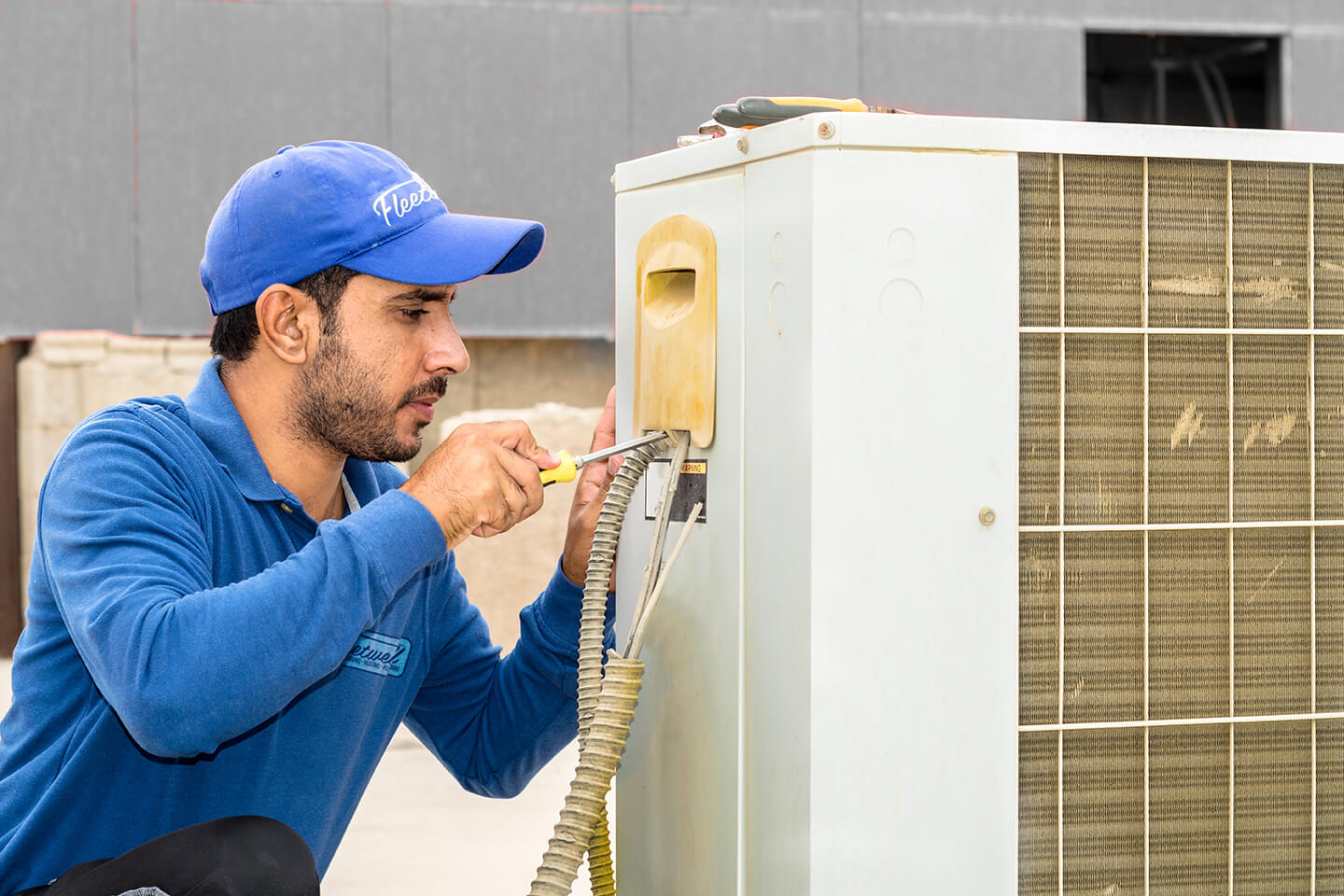
Beyond that, align expectations around the visit flow. A seasoned pro will start with safety, then measure refrigerant pressures, temperature splits, and electrical readings. They will validate airflow, look for duct leakage, and calibrate controls. Ask for findings to be explained in plain terms, and request that failed parts be shown when possible. This transparency builds trust and creates a useful paper trail for future maintenance choices.
However, not every symptom ends with the same solution. Some faults are best resolved through AC Repair, while others prompt AC Replacement when efficiency, reliability, and age converge. Often, compressors near end-of-life, repeat capacitor failures, or chronic coil leaks push the calculus toward replacement. Weigh long-term energy costs, warranty coverage, and downtimes against the immediate repair bill to avoid short-term fixes that become recurring expenses.
Then, consider maintenance as a risk buffer rather than an afterthought. Regular AC Maintenance and seasonal HVAC Maintenance can prevent many emergency calls. Clean coils, correct charge, and tight electrical connections preserve performance and reduce stress on major components. Air Duct Cleaning may also help airflow and cleanliness when contamination or visible dust release is present, though it is not a cure-all and should follow inspection-based need.
Next, validate building-specific constraints that affect repair scope. Roof access, panel clearances, and condenser placement can influence timelines and labor. Document any noise restrictions, business hours, or tenant sensitivities so the work can be sequenced to reduce disruption. For commercial settings, stage repairs around occupancy patterns; for homes, protect finishes and provide clear paths to equipment to keep the work efficient and tidy.
Often, small upgrades during a repair deliver measurable resilience. Replacing worn contactors, adding surge protection, or refreshing insulation on refrigerant lines can reduce future faults. Similarly, verifying thermostat placement and programming curbs short cycling and humidity drift. Ask for options in good-better-best tiers to match budget and lifecycle goals, and ensure any changes are recorded for the equipment’s long-term service history.
Then, examine warranty and compliance elements early. Confirm parts and labor coverage windows, and capture model and serial numbers on the invoice. For larger components, ensure permits and inspections are addressed where required. Clear documentation supports future claims and simplifies resale disclosures. It also helps verify that Heating Repair or Heating Maintenance performed on combined systems stays aligned with manufacturer specifications.
Finally, plan for follow-up. After the unit stabilizes, request a brief performance review: temperature split, amperage, and airflow observations. Schedule a reminder for filter changes and the next seasonal checkup. If a replacement was made, ask for a short handoff on new controls and recommended setpoints. This deliberate closeout turns a one-time fix into a durable operating plan that protects comfort and operating costs.
Overall, a calm, methodical approach reduces surprises and rework. Define the problem, share system history, and engage in clear, criteria-based decisions between repair and replacement. Sequence the visit to respect site constraints, and lock in documentation to support future service. When each step is scoped and verified, the air conditioning repair process becomes predictable, efficient, and aligned with your long-term goals.