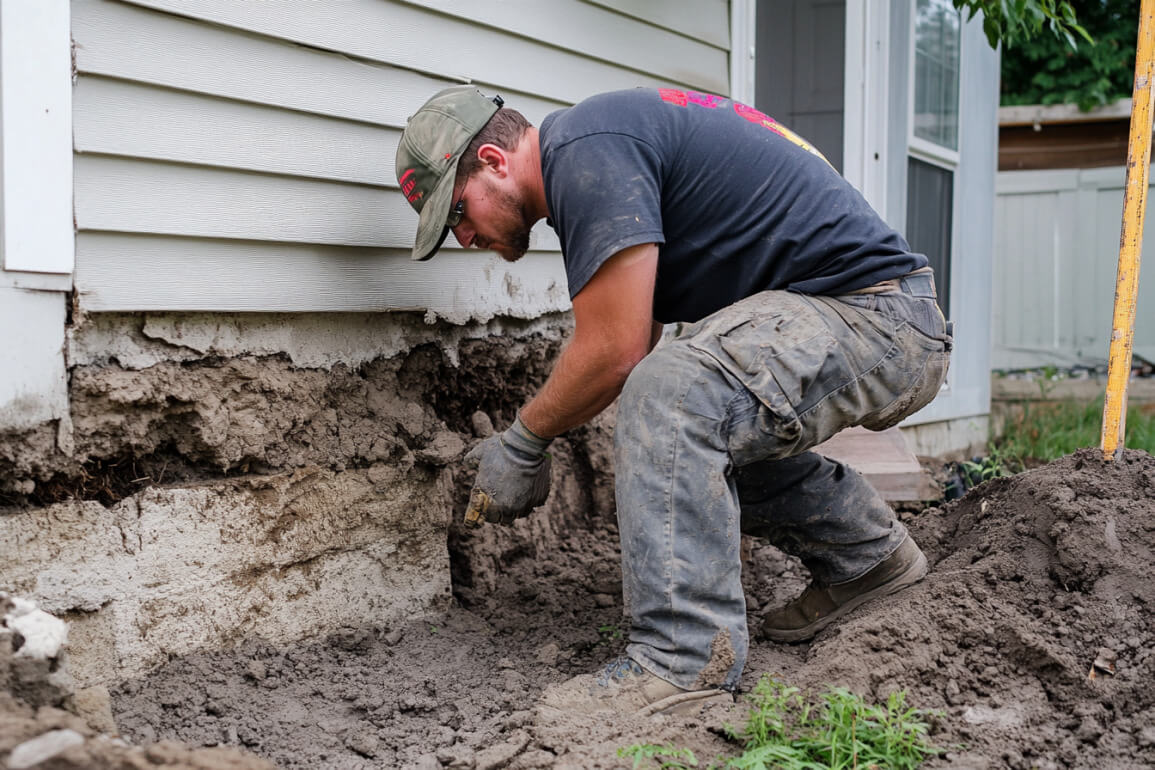
The Long-Term ROI of Quality Foundation Repair in Austin, TX
Excellence in Austin.
Bats Foundation RepairExcellence in Austin.
Bats Foundation RepairFoundation work is the rare home investment that pays for itself twice: once in the damage it prevents and again at the closing table. Austin property values have made that second payoff impossible to ignore. A documented, engineer-reviewed repair on a home in Hyde Park, Mueller, or Travis Heights removes the single largest bargaining chip a buyer can bring to a negotiation, while an unaddressed slab problem invites price reductions that dwarf the original repair. Owners comparing a cheap patch against a properly engineered stabilization are really comparing two very different financial outcomes.
The character of this city sharpens that math. Homes near Zilker Metropolitan Park and the Lady Bird Lake Hike-and-Bike Trail command premiums that make deferred structural work disproportionately expensive to ignore, because buyers there are sophisticated and their inspectors are thorough. Older properties in the districts surrounding the Texas State Capitol carry decades of accumulated movement, and each season of delay compounds the corrections that will eventually be required. Value in Austin is inseparable from structural condition.
Central Texas soil guarantees that the clock keeps running. Expansive clay across ZIP codes 78702, 78703, 78704, 78722, 78745, and beyond swells through wet springs and shrinks through dry summers, and every cycle a compromised slab endures widens the gap between minor stabilization and major reconstruction. Cracks that could have been closed with a modest pier count grow into displaced load paths, cracked plumbing, and damaged veneer. Timing, more than any other variable, determines the return a repair delivers.
Proximity protects that return as well. Working from the Tillery Street office in East Austin, crews cover Cherrywood, Govalle, Holly, Windsor Park, Riverside, and Central Austin without long transit times, then reach Round Rock, Pflugerville, Manor, Buda, Kyle, Lakeway, and West Lake Hills via I-35, US-183, and MoPac. Owners who search for foundation repair near me gain something that directly affects ROI: fast warranty service and quick follow-up inspections for years after the work is done.
Foundation repair rarely adds value the way a kitchen remodel does; it protects value that already exists and would otherwise evaporate. Appraisers and buyers do not pay a premium for a sound slab, but they subtract aggressively for a suspect one, and those subtractions routinely exceed the cost of doing the work properly. A transferable warranty and a post-repair elevation report convert an unknown into a settled fact. Owners weighing this decision often begin with our breakdown of common slab foundation problems in Austin.
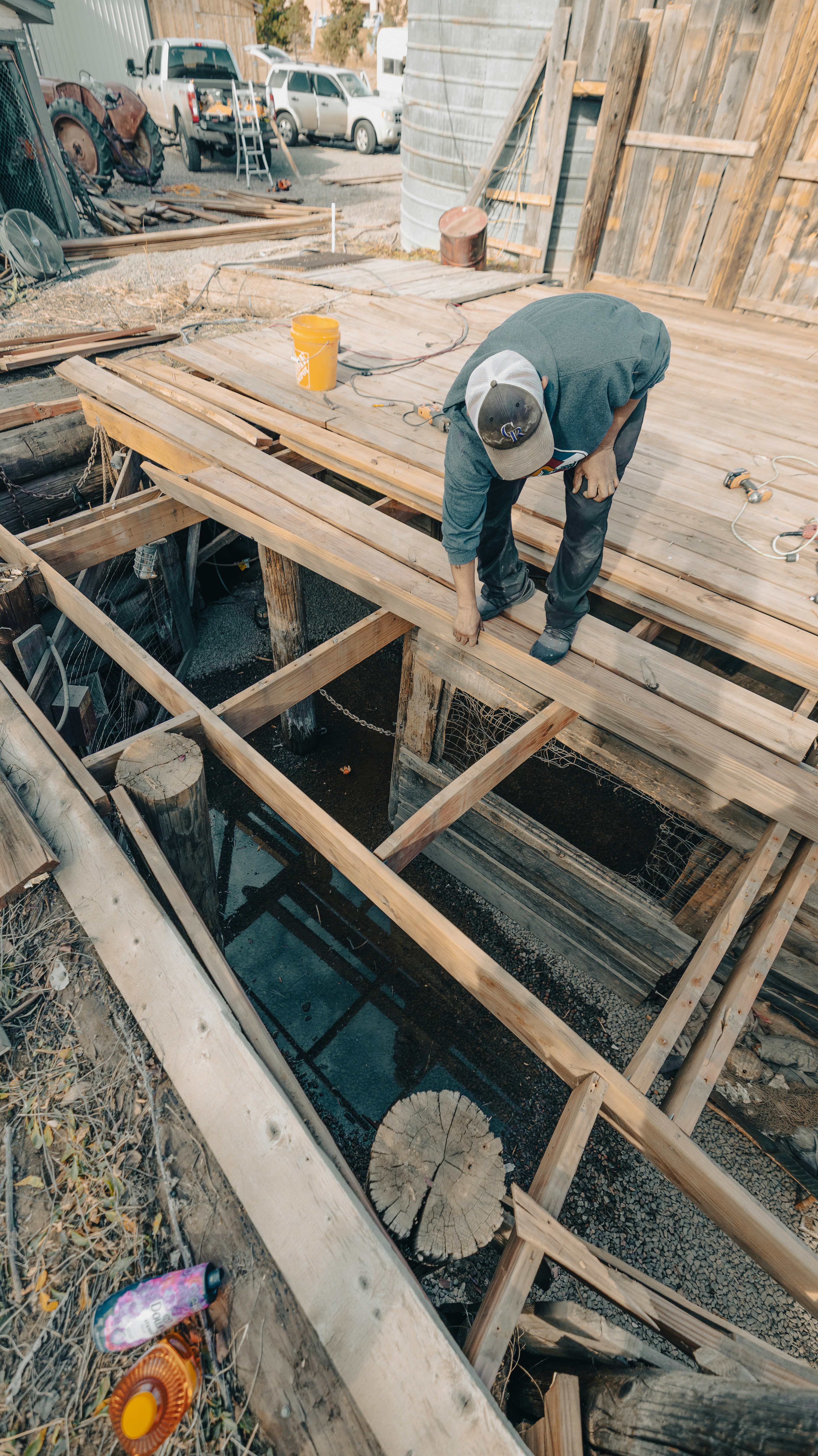
The comparison is less close than it looks. A low-bid crew installing an arbitrary pier count without engineering will often produce a temporary cosmetic improvement that reverses within two or three seasonal cycles, at which point the second contractor must work around the first crew's hardware. An engineered plan sets correct pier depth and spacing from the beginning, holds through Austin's wet and dry swings, and carries warranty coverage that survives a change of ownership. Reviewers who researched foundation repair austin tx consistently describe that difference in durability.
Buyers in Central Austin arrive with informed inspectors who check floor elevations, veneer separation, door operation, and drainage fall before they ever look at finishes. What settles their concern is paperwork: an engineer's plan, a pier layout drawing, a post-lift elevation report, and a transferable warranty document. Sellers who can hand over that packet negotiate from strength. Prospective clients frequently read verified feedback about foundation inspection austin tx while assembling exactly that documentation.
Windsor Park and Crestview hold large inventories of mid-century slab homes on lots with mature canopy and original grading, a combination that produces steady, correctable movement rather than catastrophic failure. Stabilizing those homes early, then correcting drainage and installing root barriers, tends to deliver an outsized return because the intervention arrives before finishes, plumbing, and veneer are damaged. Allandale and Rosedale follow the same pattern. Owners comparing local specialists for foundation repair in Travis County find that early action keeps pier counts low and cosmetic damage minimal.
A transferable warranty is a financial instrument as much as a service promise. It tells the next buyer that any future adjustment is covered without a new negotiation, which removes the contingency language that otherwise appears in Austin contracts. Steel and hybrid steel pier systems installed here carry that lifetime transferable coverage, with no adjustment charges during the first ten years on hybrid steel piers, while pier and beam repairs carry separate written terms. That transferability regularly preserves thousands of dollars at closing across Travis County.
For income properties the return arrives faster, because structural movement drives tenant complaints, plumbing failures, and vacancy. Landlords across Riverside, North Austin, and East Austin find that stabilizing a slab once eliminates recurring drywall repairs, sticking doors, and emergency plumbing calls. Commercial foundation repair follows the same logic at larger scale, where uneven floors affect equipment, loading areas, and safety compliance. Owners searching for commercial foundation repair are usually protecting operating continuity, not just the asset.
The best time is when soil moisture is closest to average, typically before the deep summer dry-down or after spring saturation has stabilized, though qualified crews work year-round with adjusted expectations for lift. More importantly, the best time is early. Every season a compromised slab endures another expansion and contraction cycle raises pier count, extends the project, and increases cosmetic repair afterward. Waiting has a price, and in Austin it compounds. Before you schedule, walk through the seven questions in our guide to foundation repair in Austin, TX. Ready to get started? Contact Bats Foundation Repair, LLC at (512) 260-7182 today.
Bats Foundation Repair, LLC serves customers throughout Austin and Travis County, including Windsor Park, Crestview, Allandale, Rosedale, Hyde Park, Mueller, Central Austin, East Austin, Cherrywood, Govalle, Holly, Riverside, North Austin, South Austin, Travis Heights, Bouldin Creek, Zilker, Barton Hills, Tarrytown, and Clarksville, along with Pflugerville, Round Rock, Manor, Del Valle, Cedar Park, Georgetown, Buda, Kyle, Lakeway, Bee Cave, and West Lake Hills. Whether you're in Crestview or out toward Georgetown, our foundation repair team is nearby.
Foundation repair primarily protects existing value rather than adding new value. Buyers and inspectors in Austin discount homes with suspected structural movement far more steeply than the repair itself costs. A documented, engineer-reviewed repair with a transferable warranty removes that discount entirely and prevents contract renegotiation, which is why owners in Hyde Park and Windsor Park treat it as a value-preservation investment.
Repairing now is almost always cheaper. Austin's expansive clay soil expands and contracts every year, and each cycle a compromised slab endures increases the differential movement that must be corrected. Delay raises pier count, extends project duration, and adds cosmetic repairs to drywall, tile, and plumbing. Early stabilization in Travis County typically keeps a project in its smallest and least disruptive form.
Keep the structural engineer's repair plan, the pier layout drawing showing type and placement, the post-repair elevation report, the signed warranty document, and the paid invoice. Austin buyers and their inspectors ask for this packet directly, and having it ready settles questions before they become price negotiations. Bats Foundation Repair, LLC supplies this documentation as part of every engineered project.
Yes. A lifetime transferable warranty tells the next owner that future adjustments are already covered, which removes the uncertainty buyers price into their offers. Steel and hybrid steel pier systems installed by Bats Foundation Repair, LLC carry that coverage, with no adjustment charges during the first ten years on hybrid steel piers. In competitive Central Austin listings, that document routinely protects the agreed sale price.
A properly engineered repair that reaches load-bearing strata below the active clay zone is designed to hold for the life of the structure, and warranty coverage exists specifically to address any future adjustment. Longevity depends on maintaining drainage, gutters, irrigation, and tree root management around the perimeter. Homes across Travis County that combine engineered piers with corrected drainage see the most durable results.